Pangolins: Armor-Clad Mammals at Risk
People often consider pangolins the world’s most mysterious mammals. Ironically, despite their unique protective scales, poachers are heavily endangering these extraordinary creatures to the point of extinction. Their mysterious existence, in turn, proves that there are still a lot of things for you to discover about the Earth’s wildlife.
It is no wonder or surprise that the elusive nature of this animal is fascinating to many wildlife lovers. While their elusive nature protects them to some extent, it also keeps them hidden from everyday view. Due to constant threats from illegal trafficking and habitat loss, many countries have placed them under legal protection and within conservation areas.
What are pangolins?
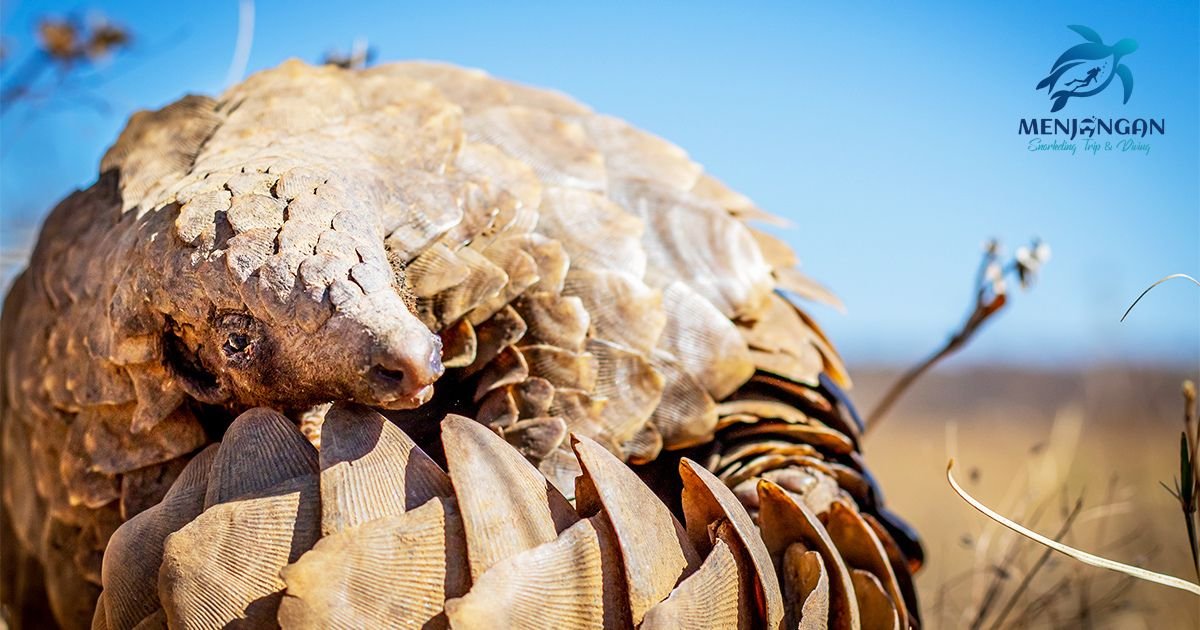
Pangolins are nocturnal mammals best known for their armour of keratin scales. They are unique among mammals, as they are the only species covered entirely with scales, despite not falling into the reptile or fish categories. True to their shy nature, they adopt a solitary way of living. These creatures spend most of their lives alone, only coming together when it comes to mating or raising their young ones (pangopups).
In terms of diet, trenggiling (in Indonesian) are considered specialist insectivores. These specialists are animals that primarily feed on specific types of insects as their main source of food. This species likes to feed on ants and termites, hence the other name: scaly anteaters. To catch food, their main instrument is their sticky and longer-than-their-body tongue.
For that reason, pangolins play a significant role in controlling ant and termite populations. They belong to the family Manidae, that is, the scientific family of mammals. Their bodies are covered in keratin scales, the same material found in human fingernails. When these mammals feel threatened, they will curl into a ball shape to shield their body.
Origins of pangolins
These mammals are native to tropical forests and grasslands across Asia and Africa. Out of the eight species of trenggiling under the group of Manidae, there are Manis, Phataginus, and Smutsia. Manis consists of four species found in Asia. Phataginus and Smutsia include two species each, all found in Sub-Saharan Africa.
As for the first record of pangolins being mentioned, it was in the 1700s to 1900s. They were first described in natural history journals by European naturalists due to their fascinating and strange appearance. However, local communities in Asia and Africa have long interacted with these mammals, albeit using local names according to their respective knowledge at the time.
Are they endangered?
Yes, pangolins are among the most threatened mammals on Earth. This species is the most trafficked mammal in the world. Despite lying low for most of the year, they still managed to attract a growing threat of extinction from human activity driven by demand and profit. These situations stem from the illegal trade. It is the endangering act of poaching, trafficking, and sale of the species and their parts or products on the black market.
Experts believe that the illegal trade has been going on since well before the 2000s. According to the Union for Conservation of Nature (IUCN), this resulted in poachers taking over a million of them in the decade leading up to 2014. The IUCN Red List of Threatened Species now lists all eight species of this animal as threatened, with population statuses ranging from Vulnerable to Critically Endangered. Here is a deep explanation:
Hunting Pressures
Pangolins are facing extreme hunting risks because of the demand in the illegal market. Roughly from 2015 to 2025, an estimated one to two million trenggiling have been poached from the wild every year. Demand for their scales for traditional Chinese medicine (TCM) and their meat for delicacies or as ritual offerings drives this.
Habitat Loss
Habitat loss is also a contributing factor in the rapid decline of the species. This is due to the reduction of available food and shelter caused by deforestation. This significantly impacts their survival since they only feed on specific food sources that exist in their habitats. Not to mention that they are sensitive to environmental shifts.
Slow reproduction
Due to their solitary nature, pangolins reproduce slowly and usually give birth to only one baby pangopup. This slow breeding rate ultimately does not match the rapid decline after heavy poaching. Just like humans, mothers of pangopups have to care for their babies closely, but every single loss ruins their prospects at long-term survival.
Safe shelter and feeding grounds
This animal lives across Asia and Africa. They usually occupy dense forests, hilly regions, grasslands, and savannas. As mentioned, they require a safe feeding ground and shelter where they can find many insects and spaces to dig or climb. Ever since they became endangered, many countries have started to move them to conservation areas.
In Indonesia specifically, you can find them in the West Bali National Park. The species you can find there are the Sunda pangolins, or Trenggiling Sunda/Jawa (Manis javanica), which are native to the region. As a solution to their threat to survival, the Indonesian law protects them by placing them in conservation. There are some benefits to this solution, including:
- Protection from poaching and illegal trade
- Genetic diversity preservation
- Pangolin population recovery
- Research opportunities
- Ecosystem balance
Support wildlife awareness with the Menjangan Island Trip!
Pangolins are fascinating creatures with an elusive and mysterious nature, making them very hard to spot in the wild. Their populations are also at risk. Thus, it is essential to protect them in safe, remote areas far from human threats. However, if you are a wildlife enthusiast eager to catch a glimpse of them, it’s not impossible!
Here is a solution for you: Tours to one of Indonesia’s conservation areas. While you can’t easily find them in the zoo, you can see them in West Bali National Park. With the help of Menjangan Island Trip and their eco-friendly and responsible tours, you have the chance to observe rare, wild species that you have never seen before! Book your tour now and enjoy the best wildlife experience!