
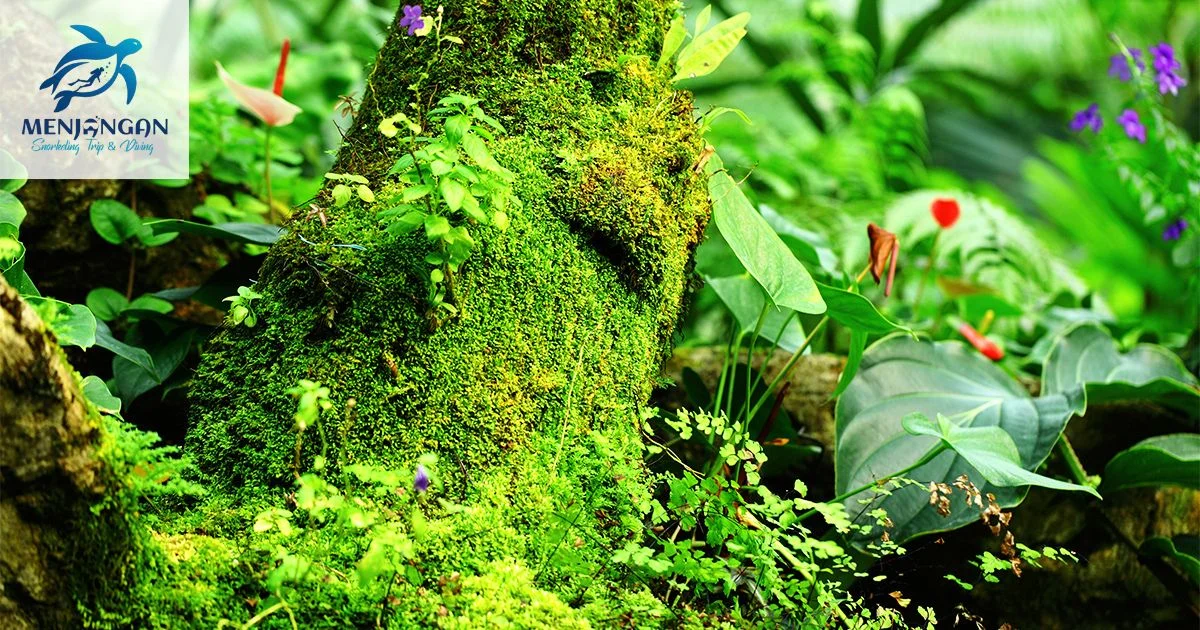
A tropical rainforest is one of the most amazing and lively places on planet Earth. Warm, wet, and with plants and animals living harmoniously, it forms a vibrant world full of life, sounds, and colours that you cannot find anywhere else. With towering trees, thick green leaves, and shaded forest floors, they manage to cover about 6% to 8% of the planet’s land surface.
Beyond housing many of the world’s biotic species, their influence reaches far beyond biodiversity. These jungles create rain patterns, control the climate, and clean the air. They are basically the pulse and lungs of the planet. It is no wonder that the place is a gem for nature lovers and scientists.
What defines a tropical rainforest?
A tropical rainforest is defined by its warm climate, high rainfall, and its location near the equator. As the name suggests, these jungles receive heavy rain. The amount of rain they receive is usually more than 2,000 millimetres annually. Be that as it may, these woodlands are not cold environments.
These wet greenlands are actually warm and humid. Most of them are located in tropical countries near the equator. Moreover, the sunlight in tropical countries is strong, keeping the surrounding woodland’s temperatures between 18°C and 30°C (64°F to 85°F). The intense heat traps moisture, creating a consistently humid air.
The combination of constant sunlight and rainfall makes up a stable climate that is ideal for species to thrive. As a major life zone on Earth, these forests are home to rich biodiversity. Tropical rainforests are also among the oldest ecosystems on the planet. Consequently, they play a vital role in supporting livelihoods and maintaining the balance of nature.
5 facts about a tropical rainforest
Equatorial woodlands are extremely valuable. As Earth’s oldest ecosystem, they have existed for over 60 million years, and scientists consider them the most important biome to date. Ancient as they are, these woodlands have survived since the Mesozoic era. As a result, the biome shelters plants and animal species.
Due to its rich biodiversity, many researchers are drawn to exploring a tropical rainforest. These ecosystems are hotspots for discovering new species. Scientists also study their complex systems and the impact these woodlands have on the global climate. Overall, a tropical woodland holds many surprising facts. Learning the key facts about them can help you realise why they are valuable.
Create its own rain
Rainforests generate about 75% of their own rainfall through evaporation and transpiration. Heat from the sun turns water from the land and plants into water vapour that rises into the air. Trees also release moisture from their leaves. This moisture forms clouds and results in rain.
Stacked with layers
A tropical rainforest has layers, and each layer is home to living beings. These layers are shaped by how much light, water, and food are available. The jungle floor has fungi and animals like tapirs. Above it, the understory shelters birds, insects, and reptiles. The canopy is full of plants and animals, while the emergent layer is home to large birds like eagles and hornbills.
Origin of life-saving medicines
People often call the equatorial forest the world’s largest pharmacy. As a result, these trees serve as a vital source of natural medicine. Scientists explore these jungles to improve remedies for cancer, malaria, and other diseases. For example, over 60% of anticancer drugs are actually derived from the flora in these jungles.
Full of undiscovered species
In addition to medicine, researchers also continue to uncover new species of flora and fauna. To this day, it is unclear just how many parts of a tropical rainforest have been explored. Experts believe that less than 5% has been studied. Because the climate is stable and rich in resources, species can grow, survive, and evolve into many new species over time.
Defence against climate change
Humans’ best chance of fighting climate change is forests. This is because they control global temperatures. Protecting and restoring these woodlands already covers one-third of climate action to slow and even stop global warming. Unfortunately, many woodlands continue to face threats from deforestation and other destructive human activities.
Where can a tropical forest be found?
You can find a tropical rainforest near the equator. These biomes are located along the line that circles the middle of the Earth, which people call the equator. In this area, the weather is consistently hot and humid, perfect for biodiversity. You can find many large tropical woodlands in South America, Central Africa, and Northern Australia.
You can also find them in Southeast Asian countries like Indonesia. The tropical climate of Indonesia is perfect for many plants and animals to grow. Moreover, the country actually hosts the world’s third-largest greenland. The lands here are also a hotspot for endangered orangutans and tigers. Below are some major tropical jungles in Indonesia:
- Kerinci Seblat Rainforest: Stretches across West Sumatra, Jambi, Bengkulu, and South Sumatra
- Bukit Barisan Selatan Rainforest: This tropical rainforest is located in Lampung, Bengkulu, and South Sumatra
- Kalimantan (Borneo) Rainforests: In West, Central, and East Kalimantan
- West Bali National Park: in Northwest Bali
Explore West Bali’s tropical forest with Menjangan Island Trip!
If you are a nature lover seeking to experience a tropical rainforest, visit West Bali. The West Bali National Park is one of the only places in Bali that offers a rare chance to explore tropical jungles. If you are a frequent Bali visitor, this experience will show you the quiet and green side of Bali.
Most travellers love these exotic jungles. If you are planning to explore them too, it is recommended to book a trip. For a meaningful journey, Menjangan Island Trip offers guided services for the safe, comfortable exploration of a tropical rainforest. With local guides and a well-planned schedule, you can relax and truly focus on the wildlife.