

Menjangan Marine Park Rules and Reef Conservation: How to Be a Responsible Visitor
To begin with, Menjangan Island owes its beauty to strict protection. Clear water and healthy coral do not happen by accident. Instead, rules and visitor habits keep the reef alive. This guide explains the main Menjangan Marine Park rules and simple ways to help. As a result, you can enjoy the reef while leaving it unharmed.
- Hands off coral
- No fish feeding
- Reef-safe sunscreen
- Licensed guide
Why the Marine Park Is Protected
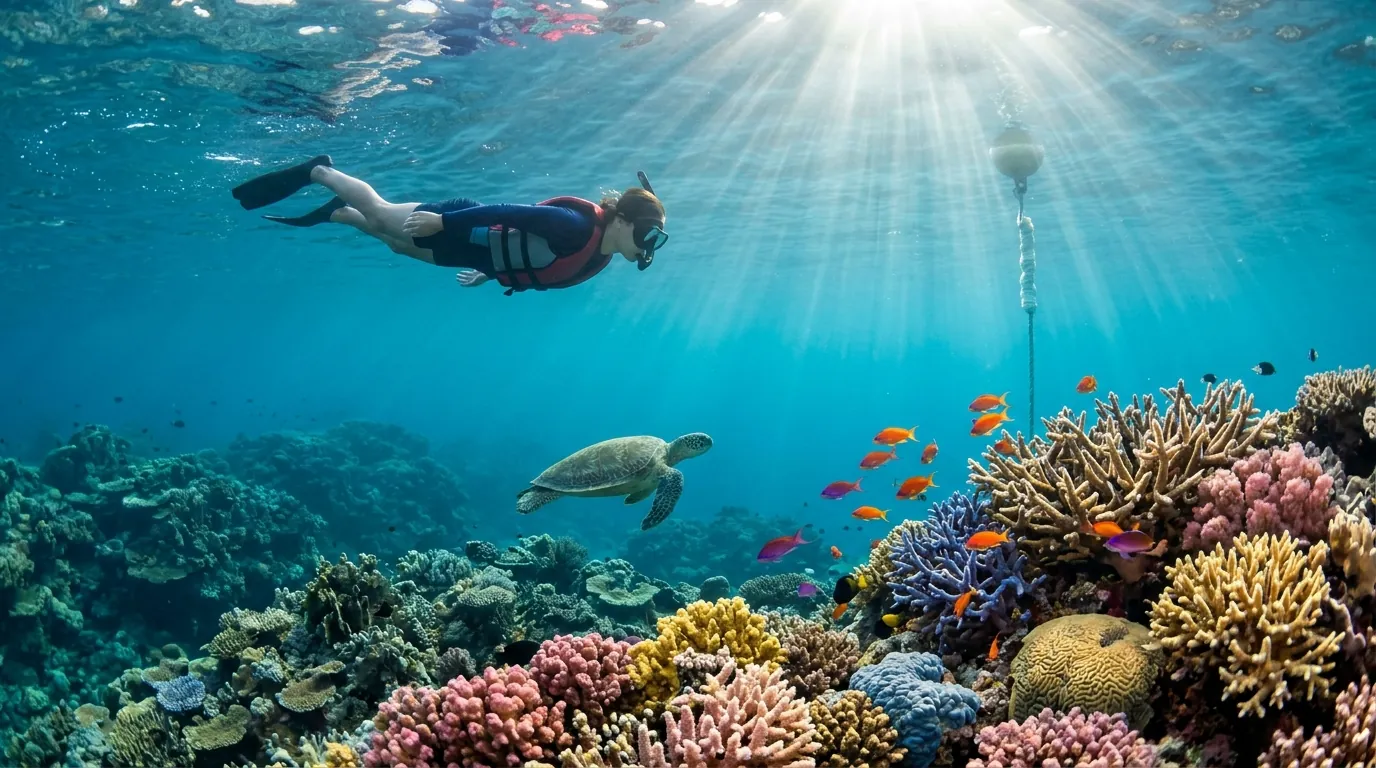
First of all, Menjangan sits inside West Bali National Park. The area shelters coral walls, turtles, reef sharks, and hundreds of fish species. Over time, limits on fishing and anchoring have allowed the reef to recover and thrive.
Additionally, the reef is fragile. A single careless kick can break coral that took years to grow. Therefore, park rules exist to protect both marine life and the visitor experience. Following them also keeps the site healthy for future travelers.
Core Rules: No Touching, No Feeding
Meanwhile, the most important rule is simple. Do not touch anything underwater. Coral is a living animal, and even light contact can damage it. Touching also harms turtles and other creatures, and it can hurt you through stings or cuts.
Similarly, feeding fish is not allowed. Human food changes natural behavior and upsets the balance of the reef. It can also draw aggressive fish toward swimmers. Consequently, guides ask everyone to observe from a respectful distance.
Standing on coral is another common problem. For this reason, always stay in water deep enough to float. If you need a rest, return to the boat. Never collect shells, coral, or any souvenirs from the reef or beach.
Sunscreen, Plastic, and Waste
Notably, what you bring into the water matters. Many sunscreens contain chemicals that harm coral. Choose a reef-safe, mineral-based product, or wear a rash guard and hat instead. In either case, apply sunscreen well before entering the water.
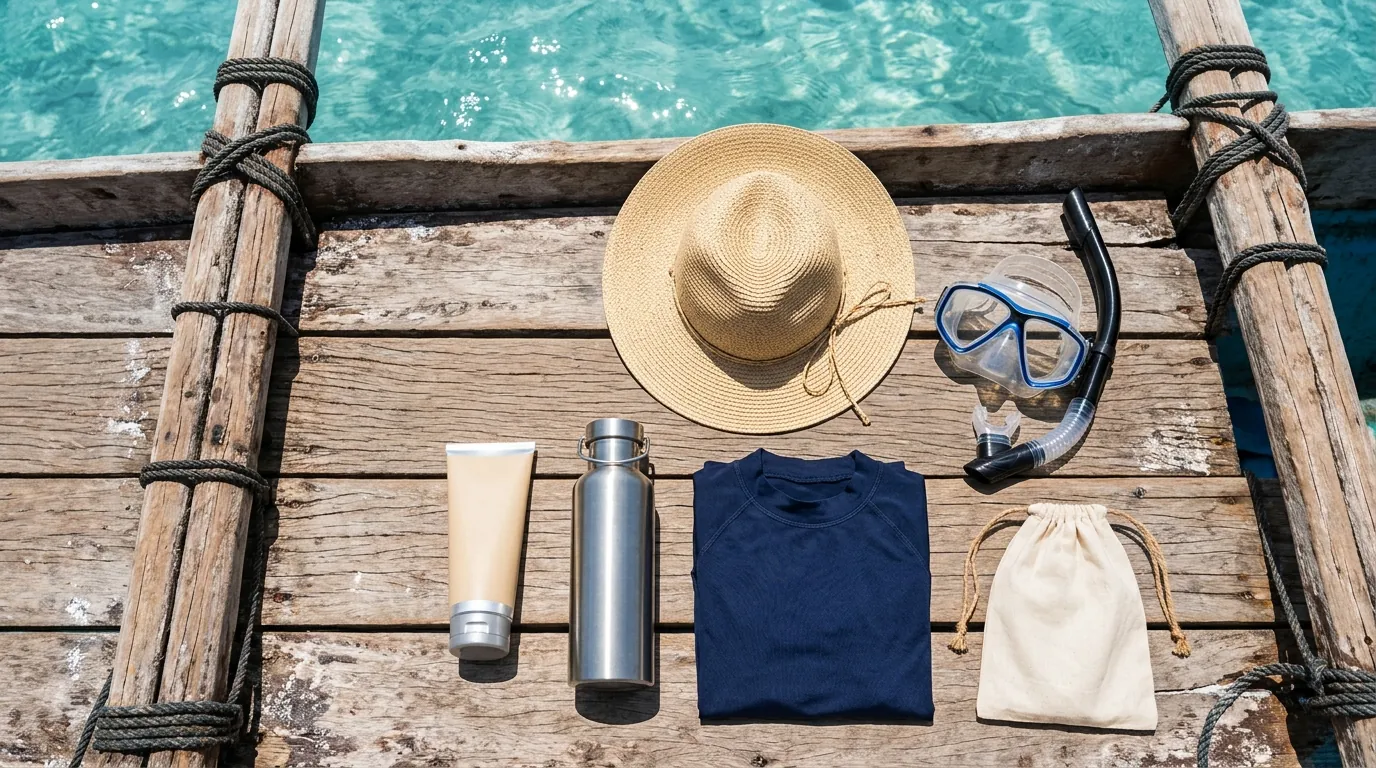
Furthermore, plastic is a serious threat to marine life. Turtles often mistake bags for jellyfish. Therefore, bring a reusable water bottle and take all rubbish back with you. Avoid single-use plastic on the boat and on the beach. Cigarette butts and food wrappers should also never be left behind.
Guide Requirements and Permits
By contrast with open beaches, entry here is managed. Visitors need a park permit, and most trips require a licensed local guide. Guides know safe entry points, current patterns, and where coral is most delicate. They also enforce the rules on the water.
Moreover, boats must use designated mooring points rather than dropping anchor on the reef. This protects the seabed from damage. A well-run operator handles permits, mooring, and briefings for you. Before booking, however, confirm that your operator follows these standards.
Park Rules at a Glance
For quick reference, the table below summarizes the main rules.
| Rule | What It Means | Why It Matters |
|---|---|---|
| No touching | Keep hands and feet off coral and animals | Prevents coral damage and injury |
| No feeding | Do not offer food to fish | Protects natural behavior |
| Reef-safe sunscreen | Use mineral-based products or cover up | Reduces chemical harm to coral |
| No plastic waste | Carry out all rubbish | Protects turtles and fish |
| Licensed guide | Join an approved guided trip | Ensures safety and rule compliance |
| No collecting | Leave shells and coral in place | Preserves the ecosystem |
As shown above, the rules are simple and easy to follow. Together, they make a real difference to reef health.
How Visitors Can Help Protect the Reef
Admittedly, rules are only the starting point. Small choices add up, so try these simple habits:
- Divers: practice good buoyancy and keep fins well away from the reef
- Snorkelers: wear a flotation vest to stay horizontal and avoid kicking the bottom
- Briefings: listen carefully, since guides share tips about that day’s conditions
- Group size: choose operators who keep groups small to reduce pressure on each site
- Reporting: tell your guide about any damage or rule-breaking so it can be addressed
Final Thoughts: Planning a Responsible Trip
Ultimately, responsible visiting is easy with a little preparation. Before you go, pack the following:
- Reef-safe, mineral-based sunscreen
- A reusable water bottle
- Rash guard and hat for sun protection
Then book with a licensed operator, and arrive ready to follow the guide’s advice. For an overview of how trips are organized inside the menjangan marine park, it helps to review what each package includes. Therefore, ask about permits, group size, and conservation practices before you commit.
Certified divers carry extra responsibility. Anyone planning to dive menjangan should stay aware of depth, buoyancy, and distance from the wall. Good habits protect the delicate sea fans and sponges that make the walls famous.
In the end, a well-planned menjangan trip leaves nothing behind except ripples. Each visitor who respects the rules helps the reef stay healthy for years to come.
Frequently Asked Questions
Can I touch the coral or turtles at Menjangan?
No. Touching damages coral and stresses marine animals. Instead, keep a respectful distance and observe from the surface or at a safe depth.
What sunscreen is allowed at Menjangan?
Use a reef-safe, mineral-based sunscreen, or wear a rash guard and hat. Apply it well before entering the water.
Do I need a guide to visit the marine park?
In most cases, yes. A licensed guide helps with permits, safety, and following park rules.
Can I feed the fish at Menjangan?
No. Feeding changes natural behavior, upsets the balance of the reef, and can draw aggressive fish toward swimmers.
Why do boats use mooring points at Menjangan?
Mooring points stop boats from dropping anchor on the reef. As a result, the coral and seabed stay protected from damage.