
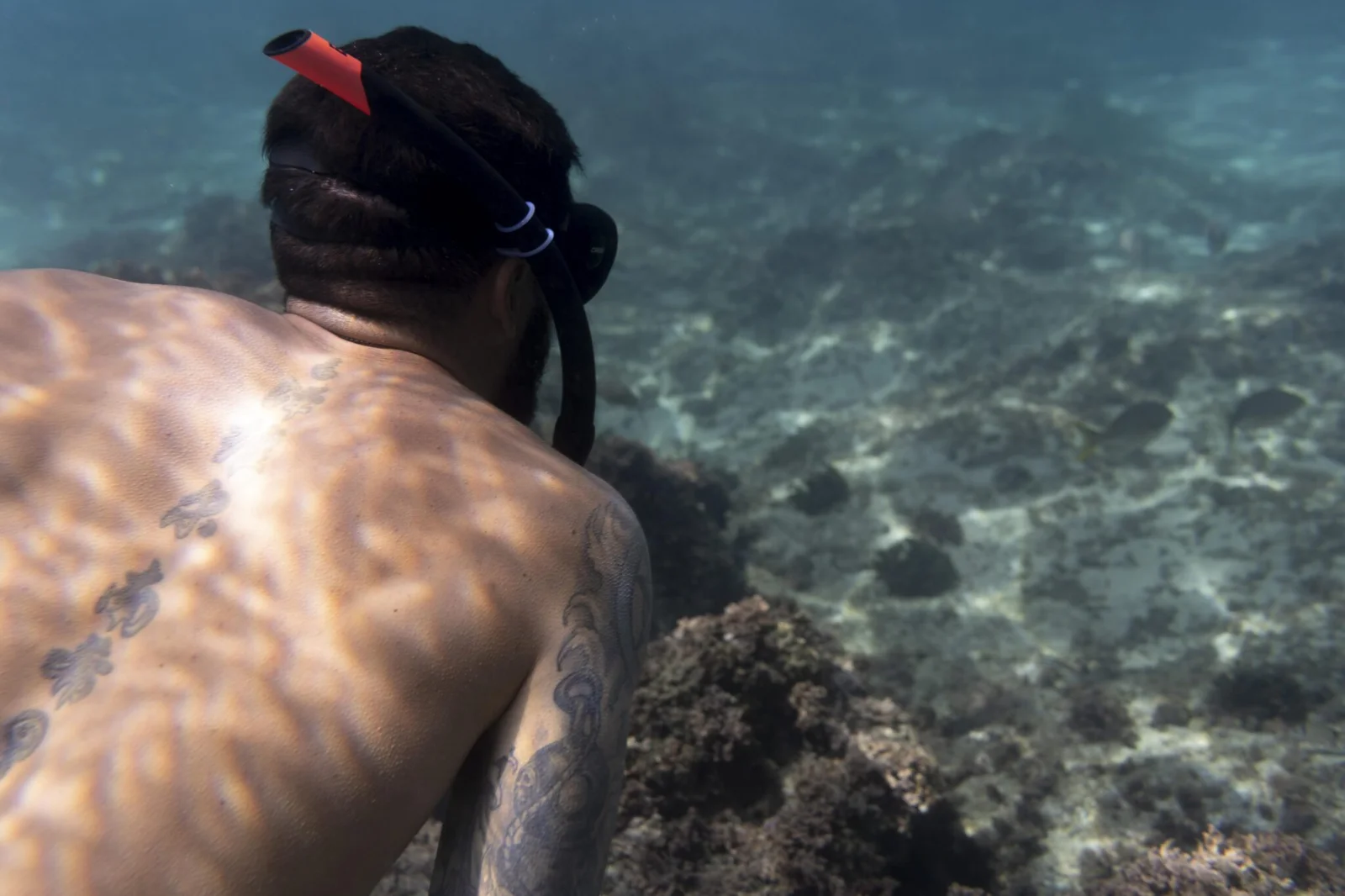
Underwater Visibility in Menjangan is one of the main factors that makes this destination a world-class diving spot in Bali. Nestled inside the protected West Bali National Park, Menjangan Island is famous for its dramatic sheer drop-offs, vibrant coral gardens, and calm coastal waters.
Whether you plan to plunge into deep wall dives or float gently above shallow reefs, clear visibility can significantly enhance your marine adventure. Water clarity at Menjangan can range from a murky 10 meters during heavy rainfall to a breathtaking 50 meters on optimal days.
Knowing the best time to visit ensures you won’t miss the kaleidoscopic sea life, colourful coral formations, and stunning underwater wall landscapes.
Quick Comparison: Monthly Visibility Overview
| Month Range | Season Type | Avg. Visibility | Water Temp (°C) | Marine Highlights |
| Apr – Jun | Early Dry Season | 25 – 35m | 27 – 29°C | Healthy coral blooms, calm seas |
| Jul – Sep | Peak Dry Season | 30 – 40m | 26 – 28°C | Manta sightings, reef sharks |
| Oct – Nov | Prime Clarity | 35 – 50m | 28 – 30°C | Maximum clarity, macro photography |
| Dec – Feb | Wet Season | 10 – 20m | 28 – 29°C | Fewer visitors, active macro life |
Tips to Maximize Your Underwater Clarity Experience
Regardless of the calendar month you travel, small tactical adjustments can improve what you see underwater:
-
Start Early in the Day: Wind swells typically rise past noon. Booking an early morning Menjangan Island Tour guarantees smoother boat rides and stiller waters.
-
Choose Wall Sites Over Sandy Slopes: Sites like Pos II and Anchor Wreck sit along vertical drops where sediment settles deeper, keeping the upper reef zone clear.
-
Check Tides: Slacks between high and low tides feature minimal current flow, keeping floating particles down.
Whether you prefer floating along shallow gardens while Snorkeling Menjangan Island or exploring deep crevices, aligning your calendar with the dry monsoon delivers an unmatched experience.
FAQ
Q: Can I dive or snorkel in Menjangan during the rainy season?
A: Yes. Menjangan Island sits in a rain-shadow region of Bali, receiving far less rain than southern districts. While visibility drops slightly in January and February, marine life remains active, and sites are much less crowded.
Q: What is the average water temperature in Menjangan?
A: Water temperatures remain warm year-round, ranging between 26°C and 30°C. A standard 3mm wetsuit or rashguard is sufficient for most swimmers and divers.
Q: Does water visibility affect snorkeling as much as scuba diving?
A: Snorkeling is usually less affected because light penetrates shallow water (1–5 meters) easily. However, heavy waves can make shallow waters murky, so calm dry-season mornings remain best for both activities.