Marine Life West Bali is among the richest and most diverse in Indonesia, making the region a must-visit destination for scuba divers, snorkelers, and marine enthusiasts. While many travelers associate Bali with the rice terraces of Ubud or the surf breaks of Canggu, the island’s tranquil northwestern coast reveals an entirely different world hidden beneath the ocean’s surface.
Protected largely by the boundaries of West Bali National Park (Taman Nasional Bali Barat), this region is home to pristine coral reefs, crystal-clear waters, and an extraordinary variety of marine species. Its healthy ecosystems and relatively uncrowded dive sites provide an unforgettable underwater experience for visitors of all skill levels.
Whether you are a seasoned scuba diver or a casual snorkeler, this guide explores the fascinating marine creatures you can encounter in the waters of West Bali.
1. Marine Life West Bali: The Giants of Menjangan Island’s Reef Dwellers
Just offshore lies Menjangan Island, famous for its dramatic underwater drop-offs and wall-diving sites. The currents here are generally gentle, creating an ideal habitat for both large pelagics and thriving coral colonies.
-
Hawksbill and Green Sea Turtles: It is almost impossible to spend a day around Menjangan without spotting sea turtles. They are frequently seen gliding effortlessly along the coral walls or resting on sandy ledges.
-
Whitetip Reef Sharks: Resting in the shade of overhangs or patrolling the deep blue edges around 15 to 30 meters down, these small, non-aggressive sharks are a highlight for underwater photographers.
-
Giant Coral Fans and Sponge Gardens: The vertical reef walls are decorated with massive sea fans (Gorgonians) that stretch up to two meters wide, providing shelter for pygmy seahorses and tiny porcelain crabs.
Traveler Tip: To experience these reef walls at their best, consider booking a guided day excursion through Pemuteran Menjangan local operators, who know the safest entry points and seasonal water conditions.
2. The Macro Wonders: Treasures in the Sand
While the deep drop-offs attract big marine life, the shallow coastal waters and black sand slopes offer a playground for macro enthusiasts. The region is famous worldwide for “critter hunting” and muck diving.
| Habitat Type | Typical Depth | Key Marine Species You Can Spot | Best For |
| Coral Walls & Drop-offs | 5m – 40m | Sea Turtles, Reef Sharks, Barracudas, Giant Gorgonians | Snorkeling & Wall Diving |
| Muck & Sandy Slopes | 3m – 18m | Nudibranchs, Frogfish, Ghost Pipefish, Mandarin Fish | Underwater Macro Photography |
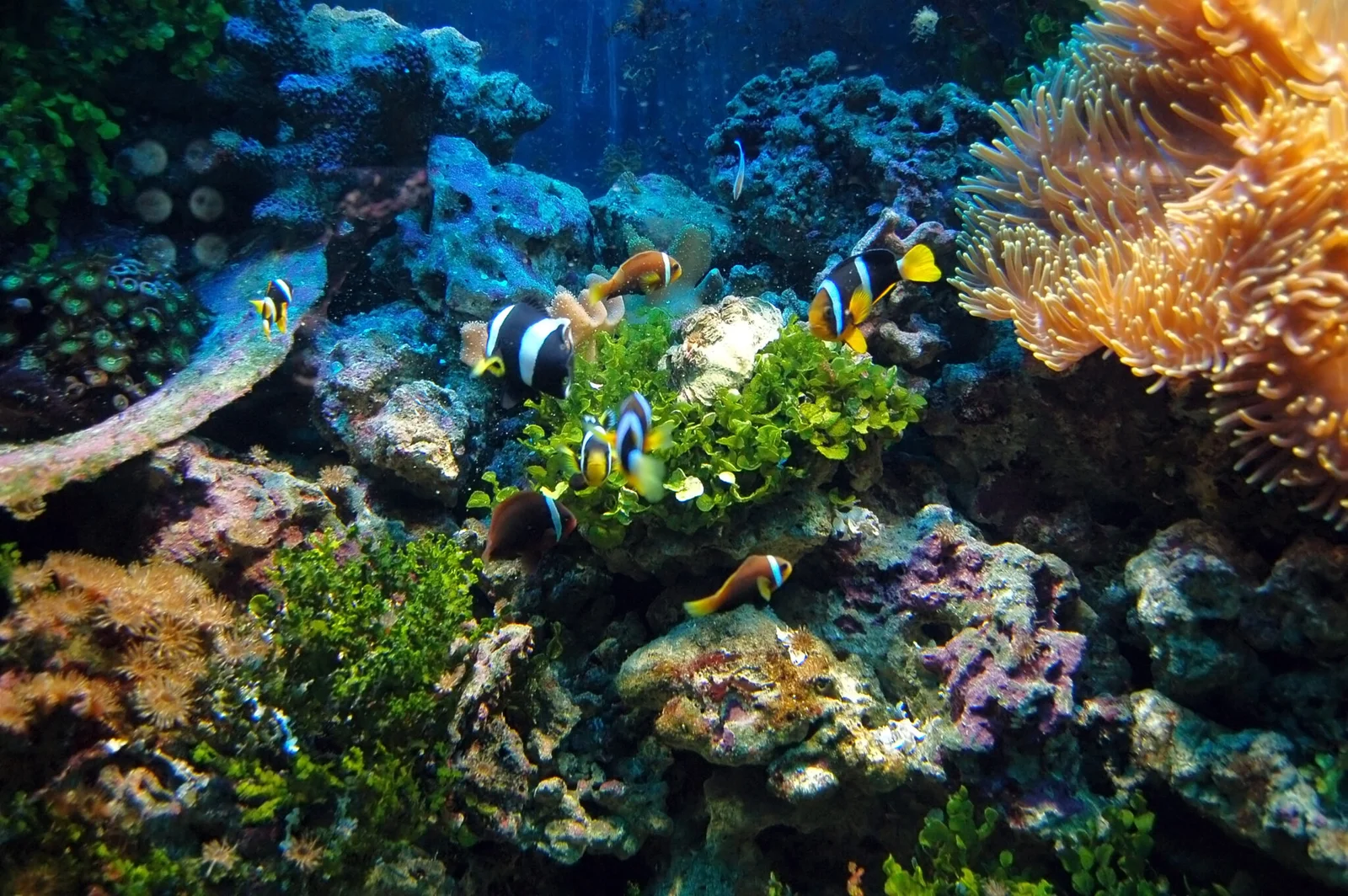
| Shallow Reef Flat | 1m – 5m | Clownfish, Parrotfish, Blue-Spotted Stingrays | Beginner Snorkeling |
If you explore near the shore, keep an eye out for Nudibranchs, vibrantly colored sea slugs that come in hundreds of species, and the elusive Mandarin Fish, which emerge from staghorn corals during their famous sunset mating ritual.
3. The Biorock Restoration Success Story
West Bali isn’t just about natural wonders; it is also a global model for marine conservation. Decades ago, local communities faced severe reef degradation due to destructive fishing practices and rising water temperatures.
Today, thanks to community-led initiatives, artificial reef structures powered by low-voltage electricity (Biorock technology) have revived the coastline.
-
Rehabilitated Corals: Coral larvae settle on these structures at a rate significantly faster than on natural substrate, creating nursery habitats for juvenile reef fish.
-
Abundant Reef Fish: Expect to be surrounded by schools of damselfish, surgeonfish, and territorial clownfish guarding their anemones.
If you are planning an itinerary to explore these conservation zones, staying near the Menjangan Bali area puts you right at the gateway between the national park’s forests and these thriving marine nurseries.
Responsible Snorkeling & Diving Guidelines
To ensure these delicate ecosystems remain pristine for generations to come, visitors are encouraged to follow ethical marine practices:
-
Maintain Proper Buoyancy: Avoid kicking or standing on living coral reefs.
-
Use Reef-Safe Sunscreen: Standard sunscreens contain chemicals like oxybenzone that accelerate coral bleaching.
-
Keep Your Distance: Never touch, chase, or feed marine wildlife.
-
Choose Sustainable Operators: Look for dive centers that actively support reef conservation and follow eco-friendly guidelines, such as those offering certified Pemuteran dive programs.
FAQ
Q: What is the best time of year to see marine life in West Bali?
A: The optimal window for water clarity and favorable sea conditions is during the dry season, from April to November. Water visibility around Menjangan Island can reach up to 30 meters during these months.
Q: Is West Bali suitable for beginner snorkelers?
A: Yes! The waters around Menjangan Island and the coastal bays are well-protected from heavy swells, offering shallow, calm reefs with minimal current that are perfect for beginners and families.
Q: Can I see wild animals on land during a trip to West Bali?
A: Absolutely. The area surrounding West Bali National Park is home to the endangered Bali Starling (Leucopsar rothschildi), wild Javan rusa deer often seen swimming or resting near the beaches, and black giant squirrels.
Q: Do I need a permit to visit West Bali National Park reefs?
A: Yes, entering the protected marine zones of West Bali National Park requires an official entry permit and a certified local guide, both of which are easily arranged through local dive shops and tour providers.