
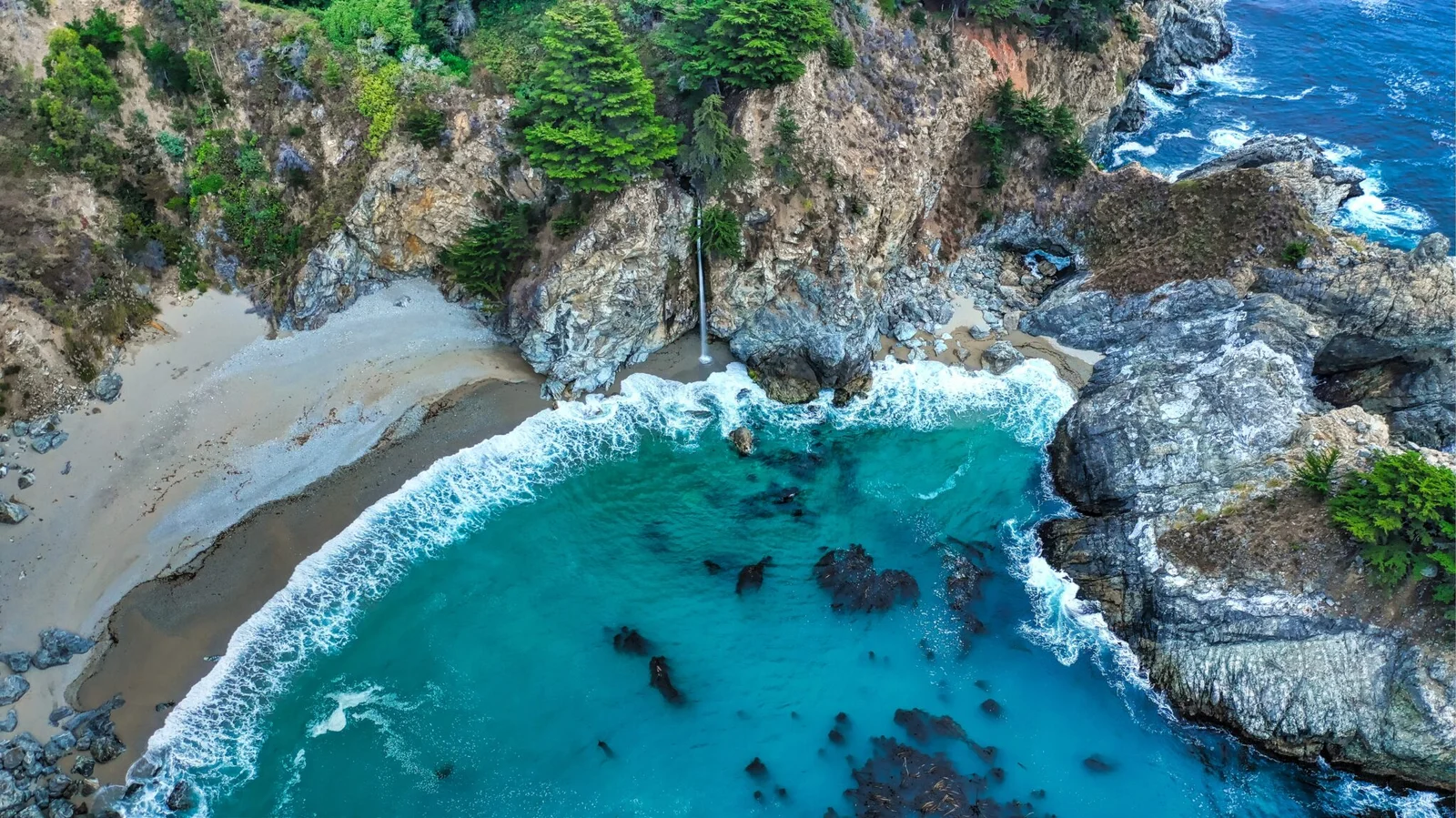
West Bali National Park unique features make it one of the most remarkable natural destinations in Bali, offering a side of the island that feels completely different from the usual tourist experience. When travelers imagine Bali, images of crowded surf breaks, bustling beach clubs, and terraced rice paddies usually come to mind.
However, tucked away in the island’s northwestern corner lies a completely different side of Bali, defined by raw wilderness, calm waters, and rare wildlife.
Spanning over 190 square kilometers across land and sea, West Bali National Park (Taman Nasional Bali Barat) stands as the island’s only officially designated national park. But what exactly sets this protected conservation area apart from the rest of the region?
Sanctuary for Rare and Endemic Wildlife
West Bali National Park is unique for its role as one of Bali’s most important conservation areas, offering a rare glimpse into the island’s remaining natural ecosystems. For naturalists and birdwatching enthusiasts, the park serves as a critical biological refuge.
It is the last remaining wild habitat of the critically endangered Bali Myna (Leucopsar rothschildi), locally known as the Jalak Bali. Once on the brink of total extinction in the wild, dedicated captive-breeding and reintroduction programs inside the park have helped rebuild this iconic white songbird’s population.
Beyond avian life, terrestrial mammals also thrive throughout the reserve. Visitors may spot wild rusa deer (Rusa timorensis) wandering freely down to the shoreline, along with ebony langurs, wild boars, and flying foxes.
World-Class Marine Conservation & Wall Diving
The aquatic region of the park, specifically surrounding Menjangan Island, offers some of the calmest and clearest diving conditions in Indonesia. Because the surrounding waters are sheltered from strong open-ocean currents, underwater visibility often reaches 30 meters or more.
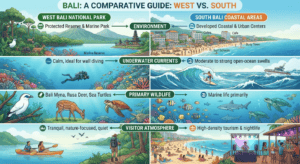
The reef structures here are famous for vertical wall diving, where colorful coral drop-offs plunge into deep blue water. Travelers looking to explore these protected reefs often coordinate with a certified dive center Pemuteran to access guided boats, proper equipment, and certified dive masters familiar with local conservation guidelines.
How to Experience West Bali National Park Responsibility
Visiting a protected sanctuary requires a mindset focused on low-impact exploration. Here are key practical tips for travelers planning a trip:
1. Choose Eco-Friendly Base Locations
Instead of staying far away, set up base in neighboring coastal villages like Pemuteran. Taking morning strolls along Pemuteran beach offers quick proximity to the park entrance while supporting local community-led marine restoration efforts, such as the famous Biorock reef project.
2. Plan Water Activities with Licensed Guides
Whether you are interested in shallow reef exploration or deep wall dives, official marine park permits are required. Booking a guided trip for snorkeling Menjangan Bali ensures that park entry fees contribute directly to reef maintenance and marine ranger patrols.
3. Respect Wildlife Boundaries
Keep a safe distance from terrestrial animals like rusa deer and roosting birds. Avoid feeding wild animals, stick strictly to designated trekking trails, and practice Leave No Trace principles by taking all waste back out with you.
FAQ
Q: Do I need a permit to enter West Bali National Park?
A: Yes, visitors are required to purchase an official park permit at one of the national park offices (such as Labuan Lalang) or through licensed local tour operators before entering land trails or offshore marine sites.
Q: What is the best time of year to visit?
A: The dry season between April and October provides the most reliable conditions for trekking, wildlife viewing, and underwater visibility. However, the park remains accessible year-round.
Q: Can you stay overnight inside the national park?
A: While staying directly inside the protected zone is strictly restricted to designated eco-resorts, most visitors stay in nearby Pemuteran or Pejarakan, where a wide range of guesthouses and hotels are located.
Q: Is West Bali National Park suitable for beginner snorkelers?
A: Absolutely. The waters around Menjangan Island are remarkably calm with minimal current, making it one of the safest and most comfortable environments in Bali for beginners and families.