
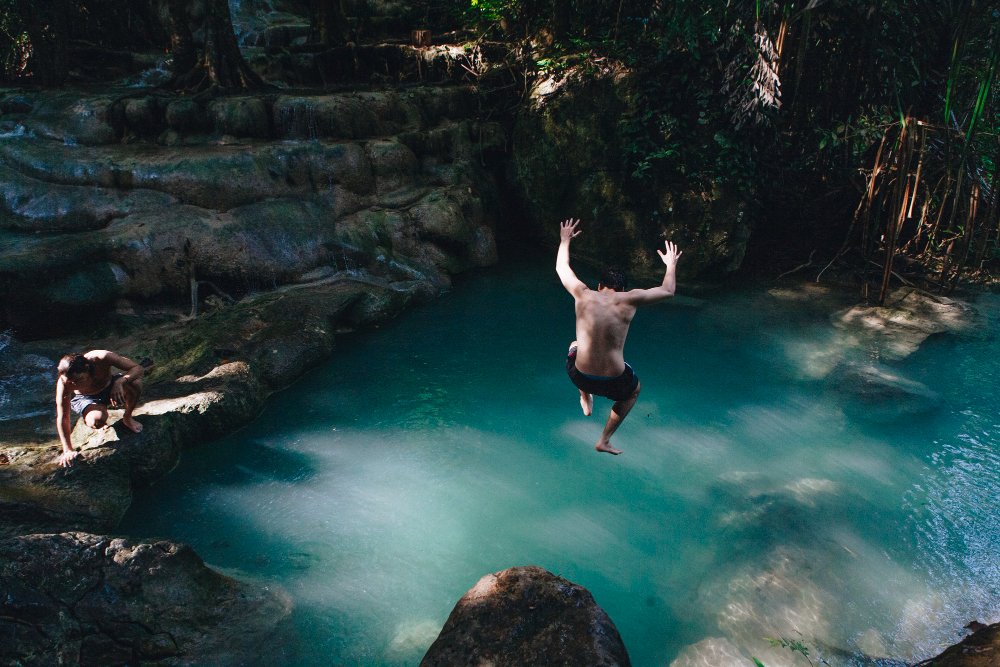
To begin with, most visitors know West Bali for Menjangan Island and its clear reef. However, West Bali National Park offers much more. Mangroves, forest trails, savanna, and rich wildlife all sit within a short drive. This guide gives an overview of what you can explore on land and sea. As a result, you can plan a trip that goes well beyond the beach.
- 19,000+ hectares
- Mangroves and savanna
- Bali Starling habitat
- Menjangan reef
What Makes West Bali National Park Special
First of all, the park covers more than 19,000 hectares of protected land and sea. It is the island’s largest protected area and one of its quietest. Unlike Bali’s busy south, crowds here stay small. Therefore, the park suits travelers who want nature without the noise.
Additionally, the park holds several habitats in one place. Mangroves line the coast, while dry forest and savanna cover the inland zones. Coral reefs also sit just offshore. Consequently, a single trip can include very different scenery.
Mangrove Areas
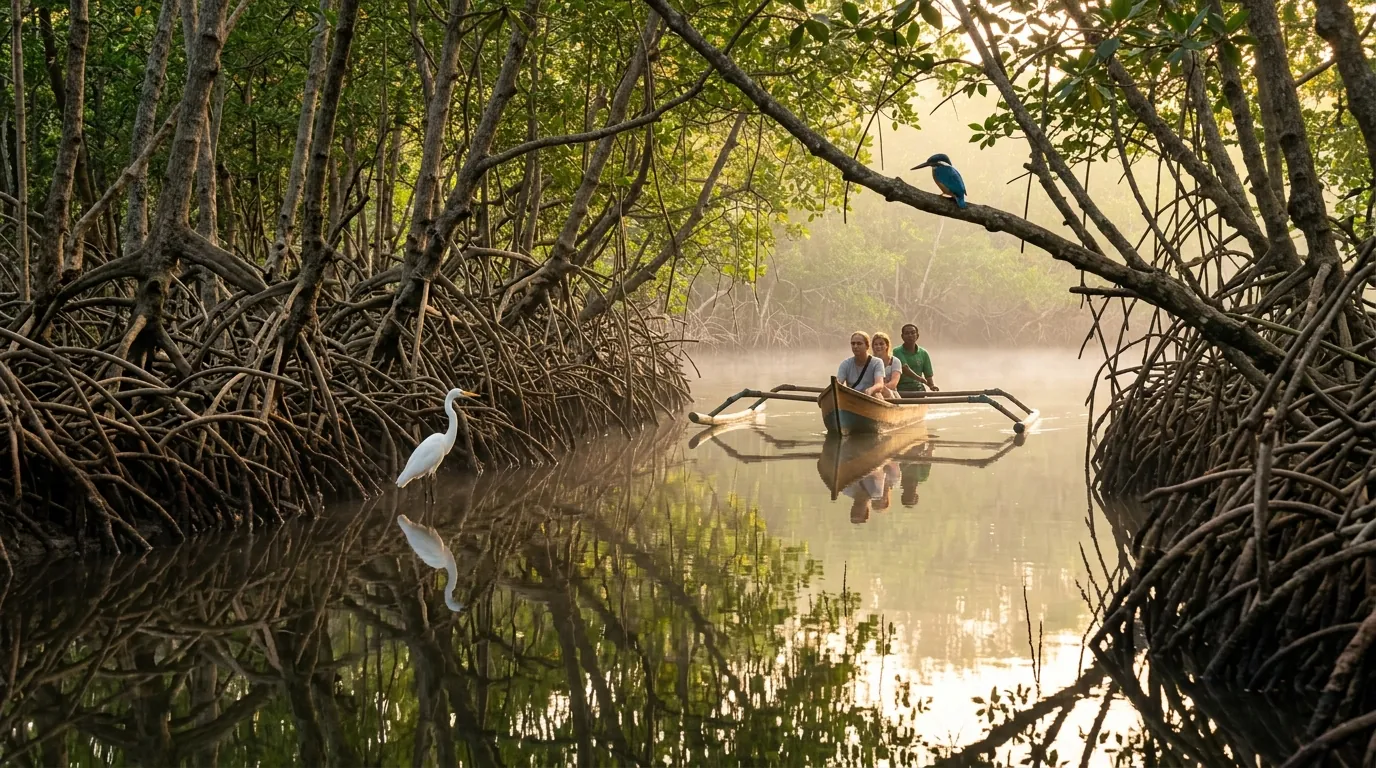
Meanwhile, the mangrove zone runs along the Gilimanuk coast and around Banyuwedang Bay. Narrow channels wind between tangled roots, and traditional boats glide through the calm water here.
Notably, early morning is the best time to visit. Herons, kingfishers, and other birds feed along the banks. Monitor lizards also appear on quiet days. Because the water stays still, this is a relaxed activity for all ages.
Forest Trails and Savanna
By contrast with the coast, the inland trails feel wild and remote. Dry forest and open grassland cover much of the interior. Walks here are usually guided, since solo trekking is restricted in many zones.
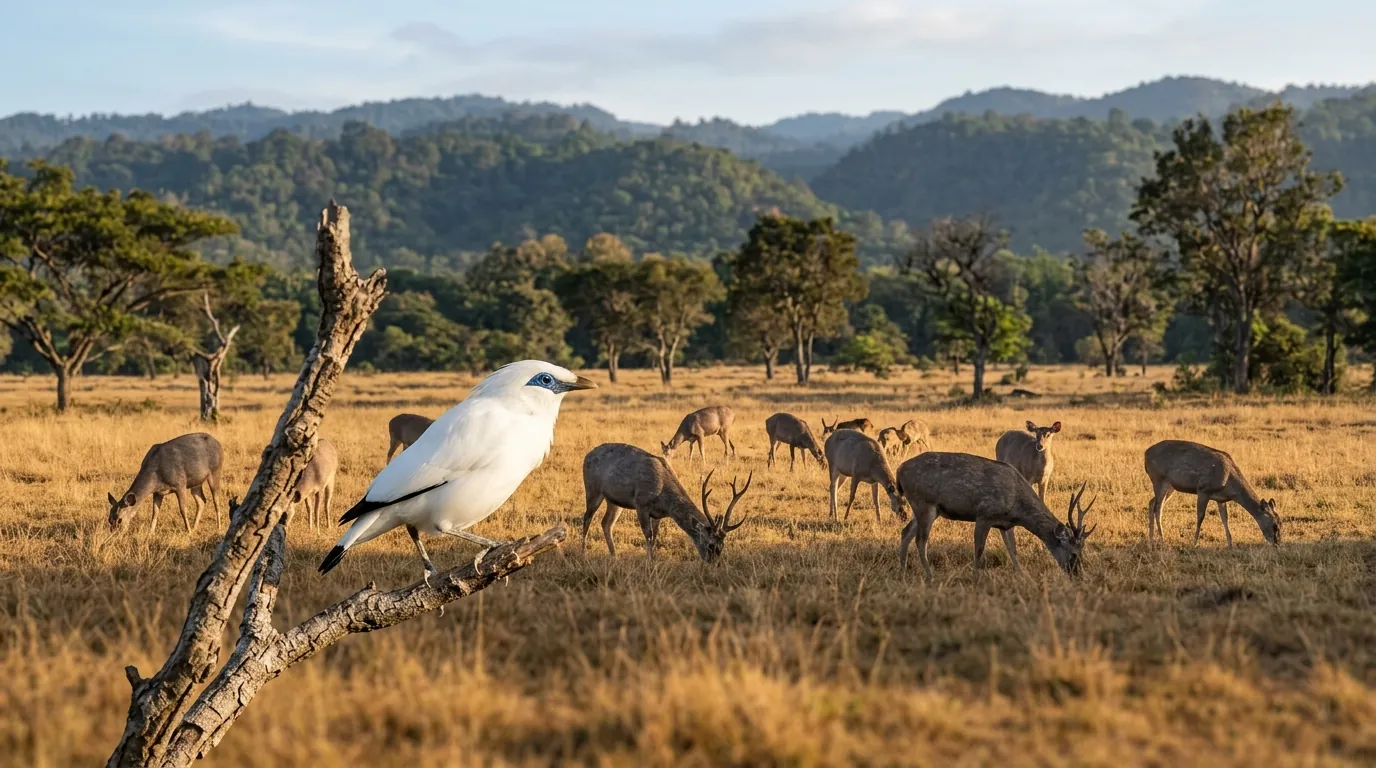
Furthermore, the savanna around Teluk Brumbun is a good place to spot deer and wild boar. Green junglefowl and black macaques are also common. In addition, birdwatchers may be lucky enough to see the critically endangered Bali Starling. For those with a keen interest, a Birding tour at West Bali National Park focuses on exactly these species and habitats.
Marine Areas and Menjangan Island
Next, the marine section is the park’s most famous draw. Menjangan Island sits just off the northwest coast. Its reef walls drop into deep water, and visibility is often excellent. Turtles, reef fish, and soft corals are also easy to find.
Snorkelers can enjoy the shallow reef tops with very little experience. Meanwhile, divers can explore the walls at greater depth. Since the area is protected, fishing and anchoring are limited, which helps keep the reef healthy. For this reason, many travelers describe this stretch as the menjangan national park highlight, since it combines clear water with calm conditions.
Wildlife You May Encounter
Overall, the park supports a wide range of species. The table below shows what to expect in each zone.
| Zone | Typical Wildlife | Best Time to Visit |
|---|---|---|
| Mangroves | Herons, kingfishers, monitor lizards | Early morning |
| Savanna | Deer, wild boar, green junglefowl | Early morning or late afternoon |
| Dry forest | Black macaques, Bali Starling, hornbills | Morning |
| Marine area | Turtles, reef sharks, tropical fish | Morning, calm weather |
As shown above, early hours work best across almost every zone. Wildlife is more active, and temperatures stay comfortable. Therefore, plan your main activities before midday.
How to Combine a Park Tour With Menjangan
Admittedly, doing everything in one day is tiring. A smarter plan, therefore, is to split activities across two days:
- First day: an early boat crossing for snorkeling or diving at Menjangan Island
- Second day: a mangrove boat trip at sunrise, then a guided forest or savanna walk
Alternatively, a half-day trip works if time is short. Start with an early boat crossing to the island. Return by late morning, then enjoy a short mangrove paddle or forest walk in the afternoon. Moreover, most operators arrange permits and guides in advance, which saves time at the counters.
For travelers who prefer one organized plan, a west bali national park tour can bundle land activities with a reef visit. This keeps logistics simple and the schedule realistic.
Practical Tips for Visitors
In addition, a few simple preparations improve the experience. Before you go, pack the following:
- Light, breathable clothing and sturdy shoes for the trails
- Reef-safe sunscreen and a hat
- Plenty of drinking water
- Cash, since card payments are rarely accepted in the area
- Binoculars, especially if you plan to birdwatch
Finally, respect park rules. Stay on marked paths, avoid feeding animals, and take all rubbish with you. These habits also protect the park for future visitors.
Final Thoughts: Planning Your Trip
Ultimately, West Bali National Park rewards travelers who look beyond a single beach. Mangroves, trails, wildlife, and reef all sit within easy reach of one another. Therefore, give yourself at least two days to enjoy both land and sea. A well-planned west bali tour lets you experience the park’s full range without rushing.
Frequently Asked Questions
What can I do in West Bali National Park besides snorkeling?
You can explore mangroves by boat, walk guided forest trails, join birdwatching trips, and visit the savanna for wildlife.
Can I combine a park tour with a Menjangan Island trip?
Yes. Many travelers pair a morning at Menjangan with a mangrove or forest activity, either on the same day or across two days.
Is a guide required in West Bali National Park?
For most trails and boat trips, yes. Guides also help with permits, safety, and wildlife spotting.
When is the best time to visit West Bali National Park?
The dry season, roughly April to October, brings calmer seas and easier trails. Early mornings are best for wildlife all year.
How long does it take to reach the park from south Bali?
Expect a drive of about 3.5 to 4 hours from Seminyak or Canggu, depending on traffic. Staying nearby in Pemuteran makes early starts easier.