
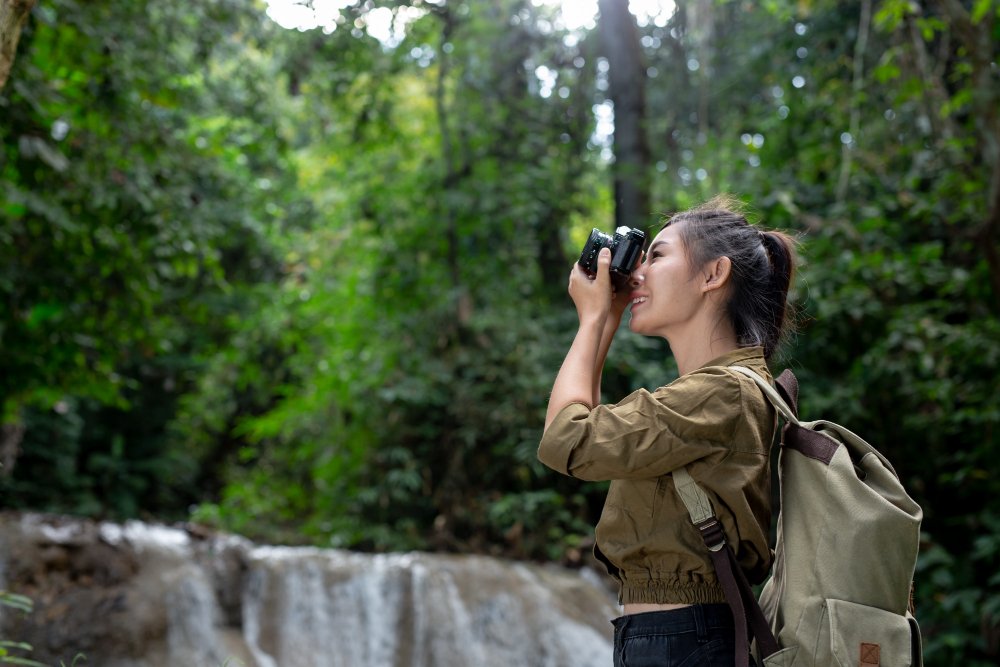
To begin with, West Bali National Park is the island’s best place for birdwatching. Its mix of mangroves, dry forest, and savanna supports species found nowhere else in Bali. The star attraction is the critically endangered Bali Starling. This guide covers the best times, trails, and habitats for birdwatching in West Bali National Park. As a result, you can plan a birding trip with confidence.
- Bali Starling habitat
- Best before 9:00 AM
- Dry season April to October
- Guide required
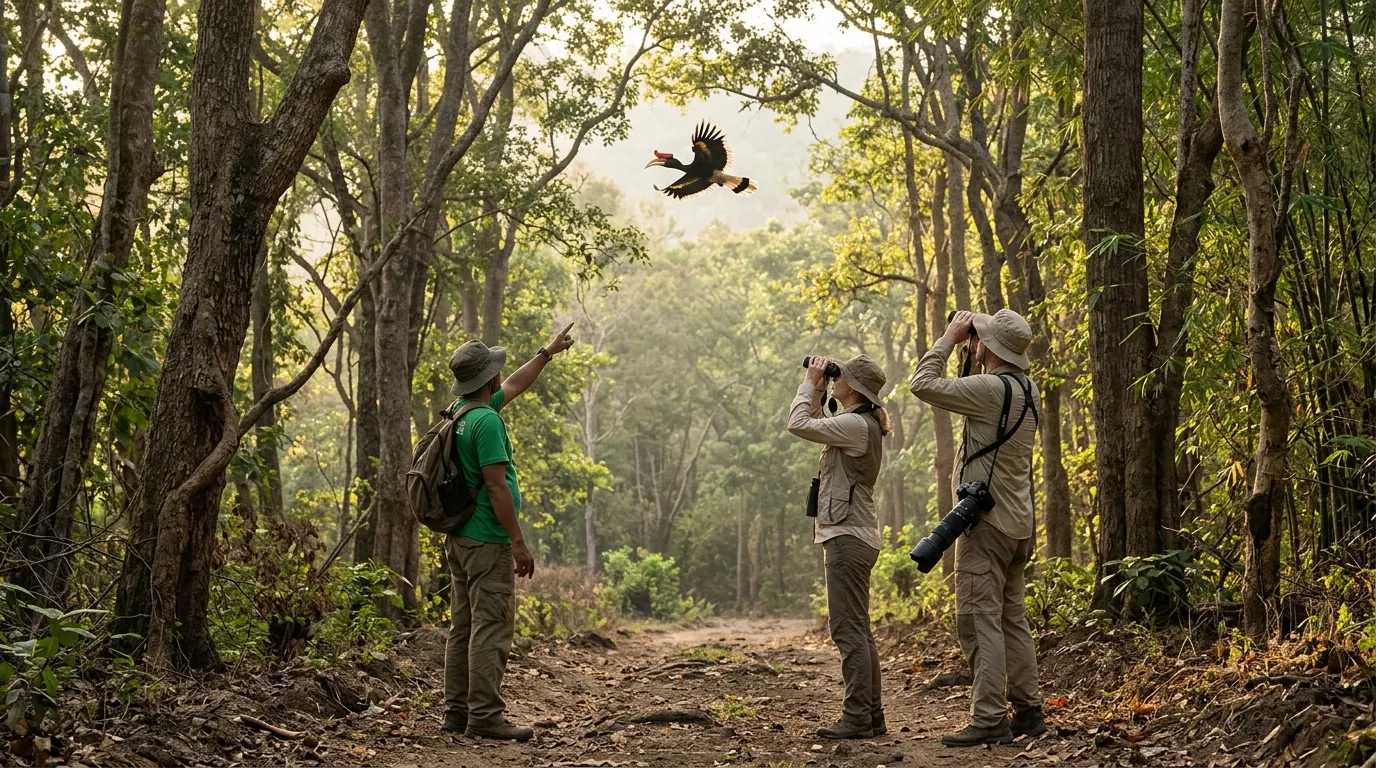
Why Birdwatchers Come Here
First of all, the park covers more than 19,000 hectares of protected land and sea. Several habitats sit close together, so one trip can produce a long species list. Crowds are also small. Therefore, birds stay calmer and easier to observe.
Additionally, the park shelters a mix of resident and migratory species. Some are common across Indonesia, while others are rare, local, or endemic. Consequently, even experienced birders find something new here.
Best Times for Birding
Meanwhile, timing matters more than most visitors expect. Early morning is the best window, usually from sunrise until about 9:00 AM. At that hour, birds are active, temperatures are cool, and light is soft. Late afternoon also offers a second, shorter chance.
Seasonally, the dry months from April to October are the most comfortable. Trails stay firm, and birds gather near water sources. During the wet season, however, rain can limit access to some paths. Still, migratory birds may add variety at that time.
Key Trails and Habitats
Notably, each habitat rewards a different kind of search. Dry forest trails are the main areas for rare species. Mangrove channels, by contrast, suit waterbirds. Open savanna gives wide views and easy scanning.
Where to Look at a Glance
For quick reference, the table below summarizes where to look and what to expect.
| Habitat | Typical Birds | Best Time |
|---|---|---|
| Dry forest | Bali Starling, hornbills, woodpeckers | Early morning |
| Mangroves | Herons, kingfishers, egrets | Early morning or late afternoon |
| Savanna | Green junglefowl, raptors, bee-eaters | Early morning |
| Coastal edge | Terns, sea eagles, shorebirds | Morning |
As shown above, early hours work well in every habitat. Guides also know which trails are active on a given day. Since solo trekking is restricted in many zones, a local guide is usually required anyway.
Spotting the Bali Starling
By contrast with common forest birds, the Bali Starling is extremely rare. This striking white bird has blue facial skin and a crest. It is also the island’s only endemic bird species. Sadly, wild numbers fell sharply because of habitat loss and illegal trapping.
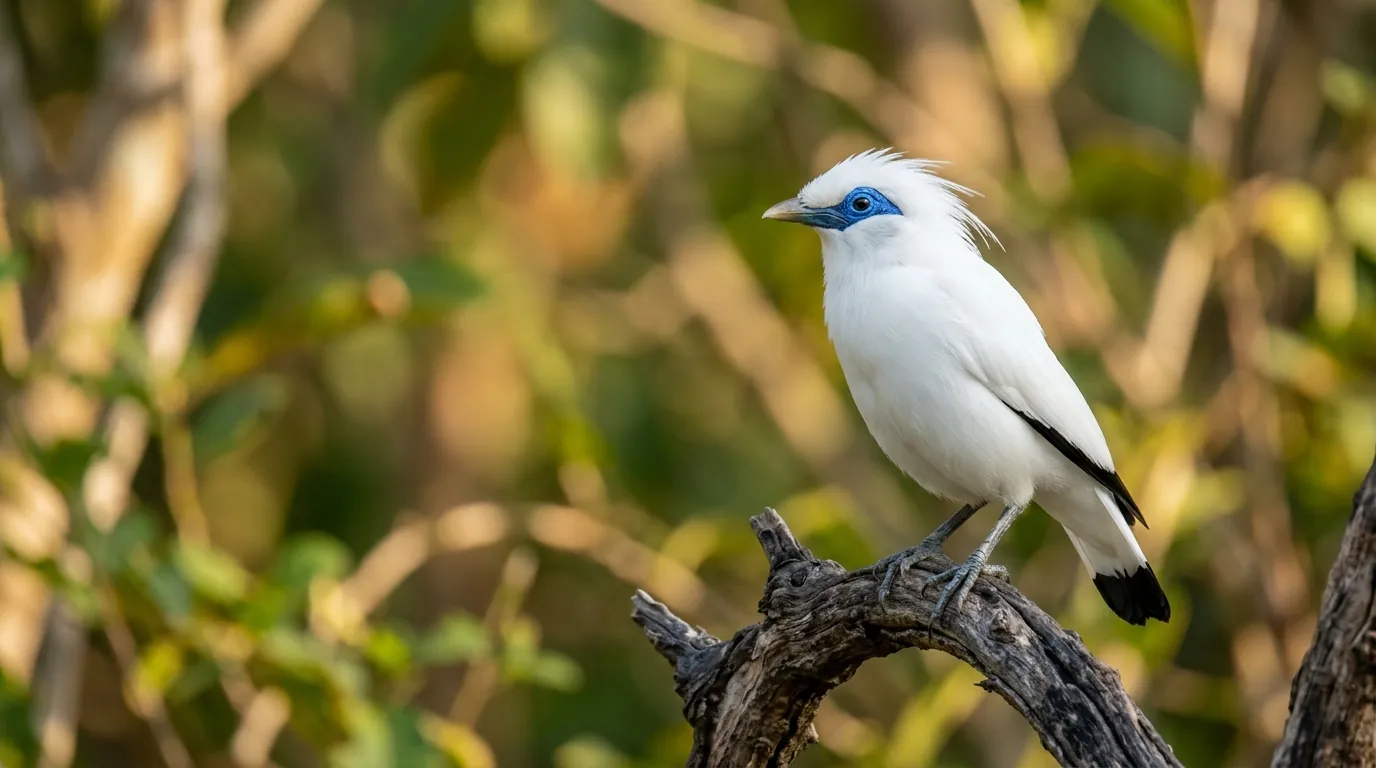
Fortunately, conservation work has helped. Breeding and release programs support the wild population in the park. Sightings are possible, though never guaranteed. Therefore, patience and a good guide make a real difference. Birders who want a focused trip can look at a Birding tour at West Bali National Park, which is built around these key habitats and species.
Other Species to Look For
Furthermore, the park holds many other rewarding birds:
- Green junglefowl: often seen on the savanna edge
- Hornbills: heard calling from the forest canopy
- Kingfishers and herons: feeding along the mangrove channels
- Sea eagles and other raptors: patrolling the coast
Moreover, you may see other wildlife along the way. Black macaques, deer, and monitor lizards are common, and these sightings add variety between bird stops. Some travelers also enjoy the nearby reef at menjangan national park, which pairs well with a morning of birding followed by an afternoon in the water.
What to Bring on a Birding Tour
Admittedly, good preparation improves the whole experience. Before you set off, pack the following:
- Binoculars with 8x or 10x magnification
- Light, neutral clothing that blends into the forest
- Long sleeves and sturdy shoes for the trails
- Plenty of water and a hat, since mornings warm up quickly
- A camera with a zoom lens, useful though not required
- Field guide or small notebook to track your sightings
- Insect repellent and some cash, since card payments are rarely accepted
Combining Birding With Other Activities
Overall, a birding trip fits well into a wider itinerary. Many visitors spend the early morning on the trails, then rest in the afternoon. Others pair birding with a reef trip to Menjangan on a separate day.
For travelers who want both land and nature highlights in one plan, a west bali national park tour can bundle several activities together. Operators also arrange permits and guides in advance. As a result, you spend less time at counters and more time watching birds.
Final Thoughts: Planning Your Visit
Ultimately, a birding trip here rewards patience and early starts. Choose the dry season if you can. Then book a local guide, arrive before sunrise, and keep noise low on the trail. These small habits improve your chances of memorable sightings.
Before the day, confirm permits, trail choices, and meeting times with your operator. This simple step keeps the morning smooth and focused on the birds.
Frequently Asked Questions
When is the best time to see the Bali Starling?
Early morning, shortly after sunrise, gives the best chance. Sightings are never guaranteed, but a local guide improves the odds.
Do I need a guide for birdwatching in the park?
Yes, in most cases. Guides handle permits, know the active trails, and help spot hidden species.
What should I bring on a birding tour?
Bring binoculars, light neutral clothing, sturdy shoes, water, and a hat. A camera with a zoom lens is also a useful extra.
Is birdwatching in West Bali National Park suitable for beginners?
Yes. Trails are mostly easy, and guides point out birds and explain what you see, so no experience is needed.
Which season is best for birdwatching in West Bali?
The dry season, from April to October, is the most comfortable. Trails stay firm and birds gather near water, though the wet season can bring migratory species.