
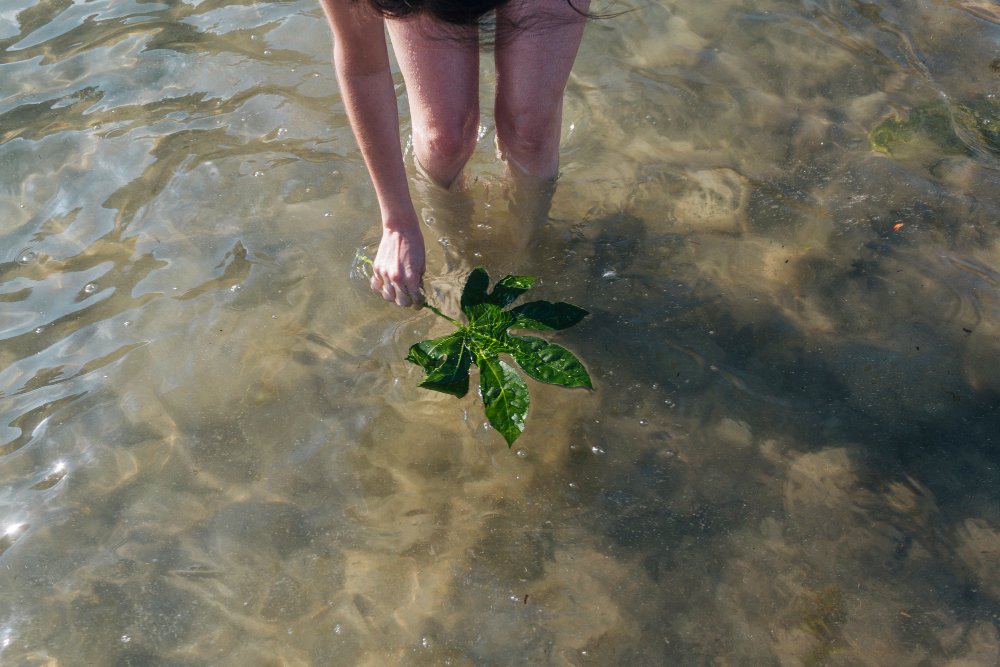
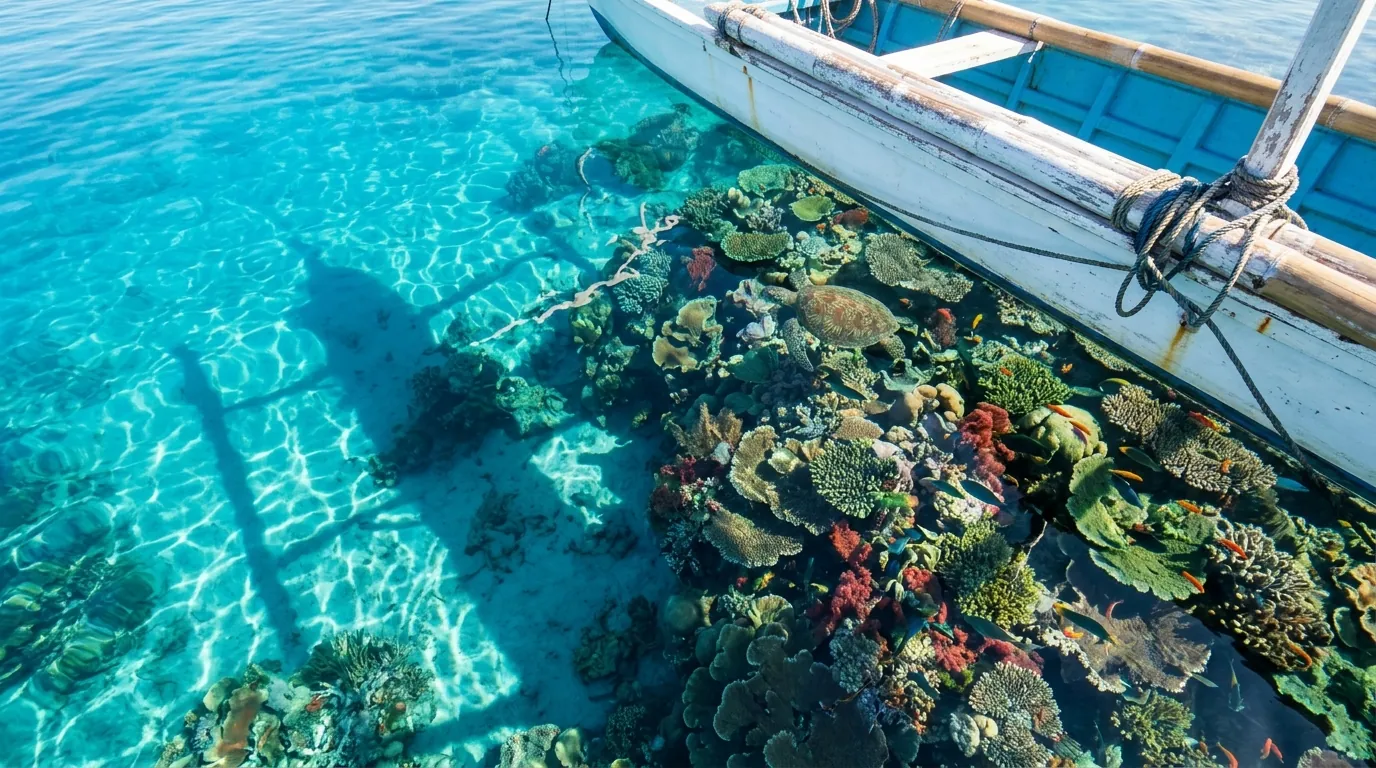
To begin with, first-time visitors often gasp when they look down from the boat at Menjangan. The reef seems close enough to touch, even when it sits many meters below. This clarity has a clear explanation. In short, Menjangan water visibility comes from a mix of geography, protection, tide and season. This guide explains each factor in simple terms and shows why conditions still shift from day to day.
What Menjangan Water Visibility Really Means
First of all, visibility describes how far you can see underwater. Divers usually measure it in meters. At Menjangan, that distance often reaches 20 to 30 meters, and on the best days it can stretch toward 50 meters.
By comparison, many busy reefs in south Bali see 10 to 15 meters. Three things reduce clarity anywhere: sand stirred up by waves, mud washed in from rivers, and plankton floating in the water. Menjangan simply has less of all three.
A Sheltered Bay on Bali’s Calm Northwest Coast
Menjangan sits off Bali’s northwest coast, inside West Bali National Park. The mainland and the hills behind it block much of the wind and swell. As a result, the sea around the island usually stays flat, especially in the morning.
Calm water matters because waves stir up sand and fine sediment. When the sea stays still, particles sink and stay on the bottom. Consequently, light travels further, and the reef looks sharp and bright from the surface.
Little River Runoff and a Dry Landscape
In addition, West Bali gets less rain than the island’s central highlands. Dry forest and savanna cover much of the park, and few large rivers flow into the sea nearby. Menjangan itself has no rivers at all.
This matters because rivers carry mud, silt and nutrients into the ocean. Near river mouths, that brown water can cut visibility to just a few meters. Around Menjangan, however, very little runoff reaches the reef, so the water stays clean for most of the year.
Protected Reefs Keep the Water Clean
Moreover, the reef itself helps. Park rules limit fishing and anchoring, so the coral stays healthy and intact. Healthy reefs hold sand in place, while broken reefs crumble into loose rubble that drifts in the current.
Sponges, corals and other filter feeders also strain tiny particles from the water. In effect, a living reef works like a natural filter.
Deep Water Close to the Reef
Another key factor is depth. Just beyond the shallow reef tops, steep walls drop into deep blue water. This deep water carries far fewer particles than the shallows near shore.
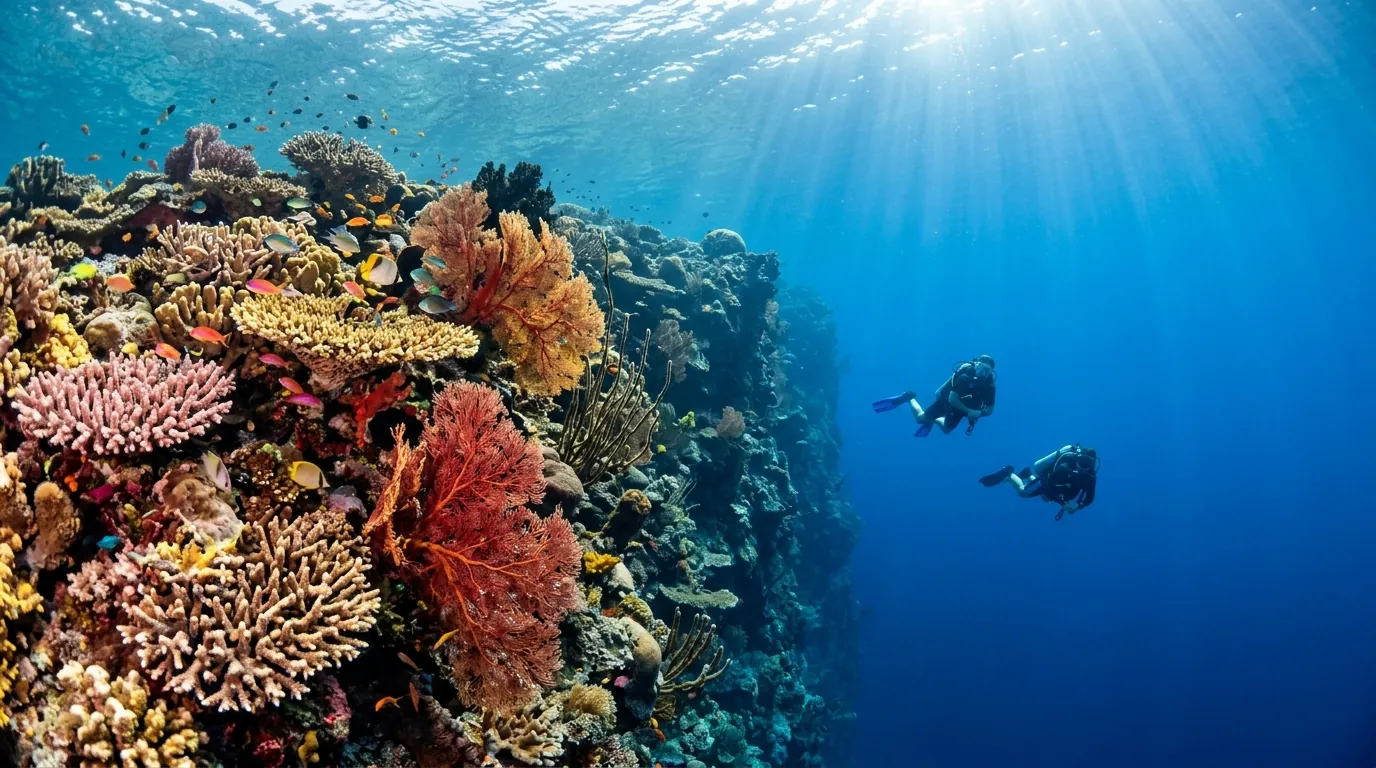
Gentle currents move this clean ocean water along the walls, and they refresh the reef throughout the day. For this reason, divers often enjoy the clearest views at depth. Anyone who wants to dive menjangan will see this effect first-hand as the wall fades into open blue.
How Tide and Season Shape Menjangan Water Visibility
Next, tide and season add their own influence. An incoming tide pushes clean ocean water toward the island, which often lifts clarity. By contrast, an outgoing tide can draw slightly murkier water from the mainland bays.
Seasons matter as well. The dry season, from April to October, brings less rain and calmer seas. During the wet season, heavy showers on the mainland can briefly reduce clarity near the shore. If you plan your trip around these patterns, Snorkeling Menjangan Island trips usually deliver the best views early in the day.
Why Visibility Still Changes From Day to Day
That said, no reef stays crystal clear every single day. Several short-term factors can lower visibility for a few hours or days:
- Plankton blooms: warm water and nutrients feed tiny organisms that turn the water green or hazy
- Heavy rain: storms on the mainland send runoff toward the coast
- Wind and swell: rough weather stirs up sand in the shallows
- Tide changes: an outgoing tide can bring cloudier water
- Light: low sun or cloud cover makes the water look darker
Menjangan Water Visibility Factors at a Glance
For quick reference, the table below sums up each factor and what you can do about it.
| Factor | Effect on Clarity | What You Can Do |
|---|---|---|
| Sheltered bay | Calm water stirs up less sand | Book any dry-season day |
| Little river runoff | Less mud and silt reach the reef | Avoid days after heavy rain |
| Protected reef | Healthy coral and filter feeders keep water clean | Choose operators that use moorings |
| Deep water nearby | Clear ocean water flows along the walls | Look out over the wall edge |
| Incoming tide | Fresh ocean water pushes in | Ask your guide about tide times |
| Dry season | Less rain and calmer seas | Plan for April to October |
| Plankton blooms | Water turns green or hazy for a few days | Stay flexible with your dates |
Final Thoughts on Menjangan Water Visibility
Ultimately, Menjangan’s clear water is no accident. A sheltered coast, little runoff, healthy reefs and nearby deep water all work together. Tide and season then fine-tune the view each day. To enjoy the best of the menjangan national park, book a morning trip in the dry season and stay flexible with your dates.
Frequently Asked Questions
How clear is the water at Menjangan Island?
Visibility usually reaches 20 to 30 meters, and on the best days it can stretch toward 50 meters. Conditions vary with tide, weather and season.
When is the best time for clear water at Menjangan?
The dry season, from April to October, offers the most reliable clarity. Early morning trips also tend to have the calmest, clearest water.
Why is the water sometimes cloudy at Menjangan?
Plankton blooms, heavy rain, wind and outgoing tides can all reduce clarity for a short time. In most cases, the water clears again within a day or two.