
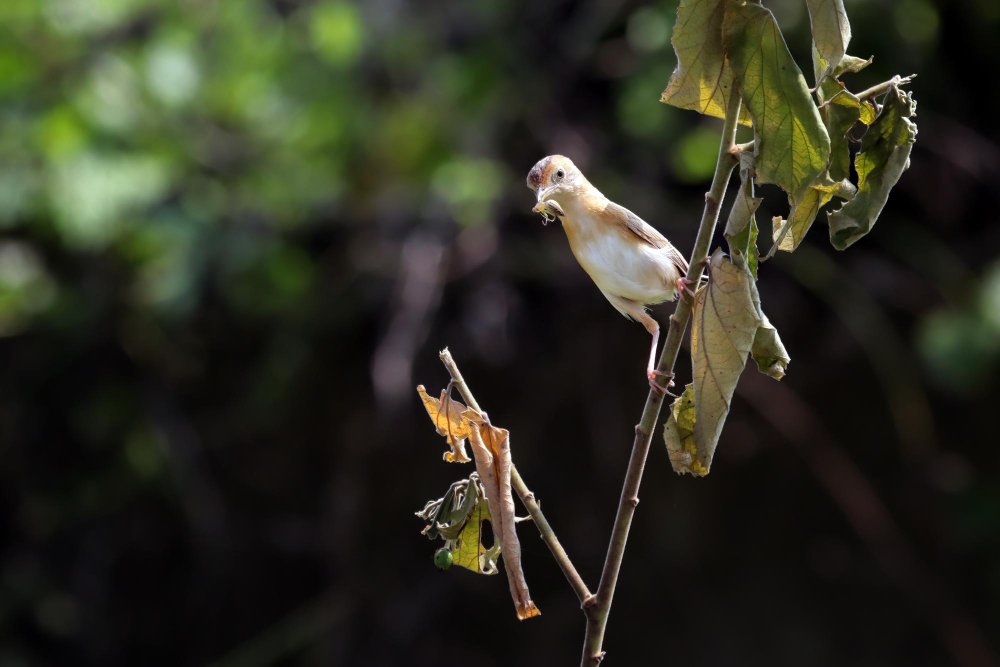
To begin with, West Bali National Park protects some of the richest birdlife on the island. However, its birds do not spread evenly across the park. Instead, each species sticks to its own habitat, from dry forest to mangrove and open coast. This guide covers the best West Bali National Park birding spots, with the target birds, timing and access for each one.
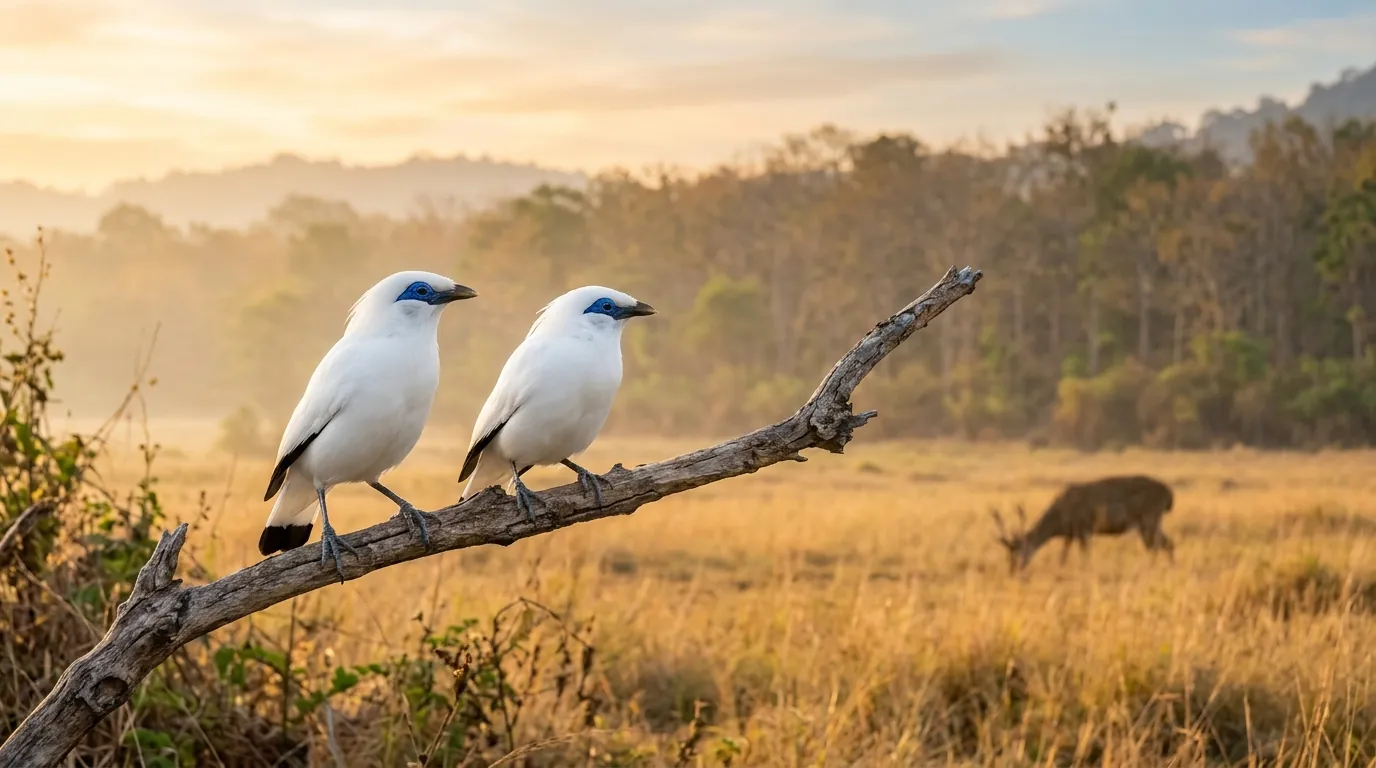
How Habitats Shape West Bali National Park Birding Spots
First of all, the park mixes several habitats within a short distance. Dry forest and savanna cover the Prapat Agung peninsula. Mangroves line the bays at Teluk Terima and Gilimanuk, while coral beaches surround Menjangan. As a result, smart birders plan by habitat rather than by species list:
- Dry forest and savanna: Bali starling, Java sparrow, green junglefowl
- Mangroves and bays: kingfishers, herons, migrant waders
- Coast and islands: white-bellied sea eagle, beach thick-knee
Tegal Bunder and the Bali Starling Centre
Inside the lowland forest on the park’s northern side, Tegal Bunder hosts the Bali starling breeding centre. Here, park staff raise captive-bred birds before they return to the wild. This lets you learn their shape and calls before you search for wild birds.
Beyond the aviaries, the forest holds black-winged starlings, black-naped orioles and yellow-vented bulbuls. In addition, crested serpent eagles often circle overhead. Arrive between 6:00 and 9:00 AM, when the forest stays cool and busy. Most visitors come by car, and a guide arranges entry with the park staff.
Teluk Brumbun
For free-flying Bali starlings, this bay holds the release area and gives you the best chance. The site lies on the Prapat Agung peninsula, inside a zone that the park restricts. For this reason, you need a licensed guide, and you arrange one at a park ranger office before you go.
Released starlings often feed in low branches or on the ground near the savanna edge. Early morning works best, since the birds stay active until the heat builds. Your guide also organises the transfer, usually by boat or along a rough forest track.
Prapat Agung Peninsula
Meanwhile, Prapat Agung covers the park’s northwestern tip with dry forest, savanna and quiet beaches. In fact, many birders rate it as the richest forest birding in the park. Target birds include the Java sparrow, Javan banded pitta, savanna nightjar and long-tailed shrike.
Go at dawn for pittas and sparrows, then return at dusk to hear nightjars. Access runs through the same ranger office system as Teluk Brumbun, so book your guide in advance. For a ready-made route, a Birding tour at West Bali National Park handles permits, guides and transport for you.
Teluk Terima and Gilimanuk Bay Mangroves
By contrast, the mangrove bays offer a completely different list. Teluk Terima sits on the north coast, while Gilimanuk Bay wraps around the western tip near the ferry port.
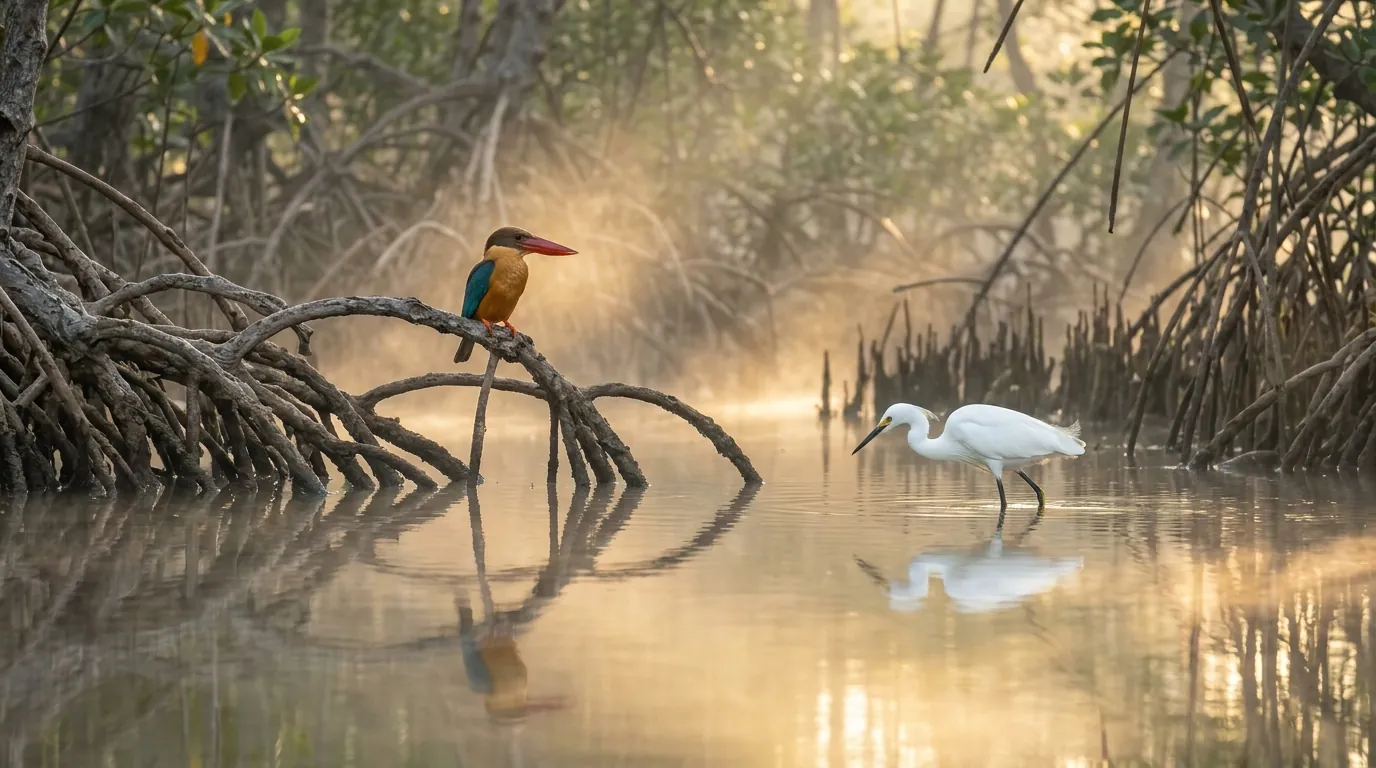
Look here for stork-billed, collared and small blue kingfishers. Pacific reef herons and little egrets also hunt along the edges. From September to April, migrant waders such as whimbrels and common sandpipers add variety. Since a rising tide pushes birds closer, check the tide table before you set out.
Cekik Coast
Next, Cekik lies on the coast close to the Park Headquarters, just outside Gilimanuk. Its coastal scrub and shoreline make it an easy first stop. Pacific swallows and black-naped orioles work the edges, while Javan plovers feed along the shore.
Because the headquarters sits nearby, you can arrange permits and guides at the office, then start birding within minutes. Both early morning and late afternoon suit this spot.
Menjangan Coast for Sea Eagles
Finally, the coast around Menjangan Island rewards anyone who looks up. White-bellied sea eagles patrol the shoreline and often perch on dead trees near the water. Beach thick-knees also use the quiet coral beaches.
Boats leave from Labuan Lalang, so you can combine a morning of birding with a reef trip. Many travelers, for example, pair the coast with West bali national park snorkeling on the same day.
West Bali National Park Birding Spots at a Glance
For quick reference, the table below compares every location.
| Location | Habitat | Target Birds | Best Time | Access |
|---|---|---|---|---|
| Tegal Bunder | Lowland forest, breeding centre | Bali starling, black-winged starling | 6:00 to 9:00 AM | By car with a guide |
| Teluk Brumbun | Savanna, release area | Free-flying Bali starling | Early morning | Ranger office guide, boat or track |
| Prapat Agung | Dry forest, savanna | Java sparrow, Javan banded pitta, savanna nightjar | Dawn and dusk | Guided trek |
| Teluk Terima and Gilimanuk Bay | Mangroves, tidal flats | Kingfishers, herons, migrant waders | Rising tide, early morning | Boat or short walk |
| Cekik coast | Coastal scrub, shoreline | Javan plover, Pacific swallow | Morning or late afternoon | Next to Park Headquarters |
| Menjangan coast | Coral beaches | White-bellied sea eagle, beach thick-knee | Morning | Boat from Labuan Lalang |
Final Thoughts on West Bali National Park Birding Spots
Ultimately, the best West Bali National Park birding spots reward planning by habitat. Start with the starling centre, then move on to the release area, the forest, the mangroves and the coast. With a little preparation, a few days inside the menjangan national park can produce a long and memorable bird list.
Frequently Asked Questions
Do I need a guide to visit the birding spots?
Yes, for most of them. Teluk Brumbun and Prapat Agung sit in restricted zones, so you arrange a licensed guide at a ranger office.
Where can I see wild Bali starlings?
Teluk Brumbun offers the best chance, since it hosts the release area. Tegal Bunder, on the other hand, lets you see starlings up close at the breeding centre.
What is the best time for birding in West Bali National Park?
Early morning, from sunrise to about 9:00 AM, works best everywhere. In addition, September to April brings migrant waders to the mangroves.