
Birds of the Mangrove Coast: What You Can Spot Around the Shoreline Before You Even Board the Boat
To begin with, most visitors look straight past the shoreline on their way to the reef. However, the coastal edge of West Bali National Park holds plenty of birdlife. Herons stalk the shallows, kingfishers watch from mangrove branches, and sea eagles circle overhead. This guide shows you which mangrove coast birds to look for, how tides change the scene, and how to spot them while you wait for your boat.
Why Mangrove Coast Birds Gather Near the Harbour
First of all, the coast around Labuan Lalang, Banyuwedang and Pemuteran mixes three habitats in a small space. Mangroves line the sheltered bays, mudflats appear at low tide, and rocky points lead out to the reef. As a result, food stays close and easy to reach.
Small fish, crabs and shrimp shelter among the mangrove roots. In turn, they attract hunters from both land and sea. Since many harbours sit right beside these habitats, you often see birds within a few steps of the boat.
Shorebirds on the Mud and Sand
Low tide exposes mud and sand, which brings shorebirds out to feed. Common sandpipers bob their tails along the rocks and boat ramps. Whimbrels, meanwhile, probe the mud with long, curved bills.
From September to April, migrant waders arrive from the north and add variety. Look for plovers running in short bursts and stopping to peck. Javan plovers also nest on quiet beaches, so watch your step on the sand.
Herons, Egrets and Kingfishers in the Mangroves
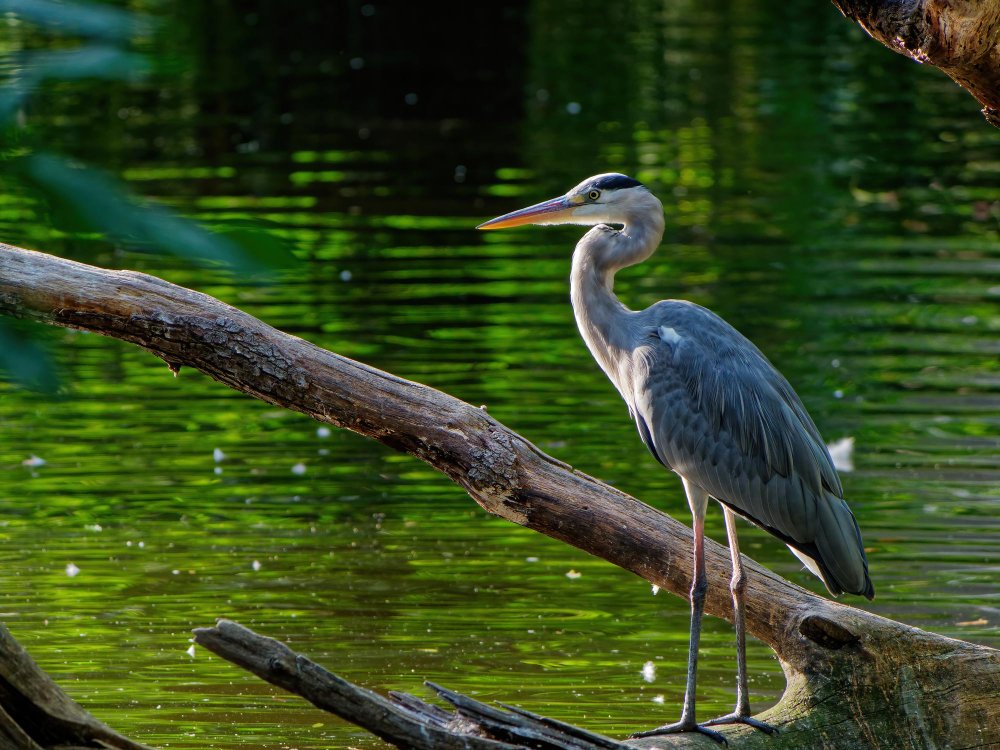
Next, turn to the mangroves themselves. Pacific reef herons hunt along the water’s edge in both dark grey and white forms. Little egrets wade in the shallows, and striated herons crouch low on roots, ready to strike.
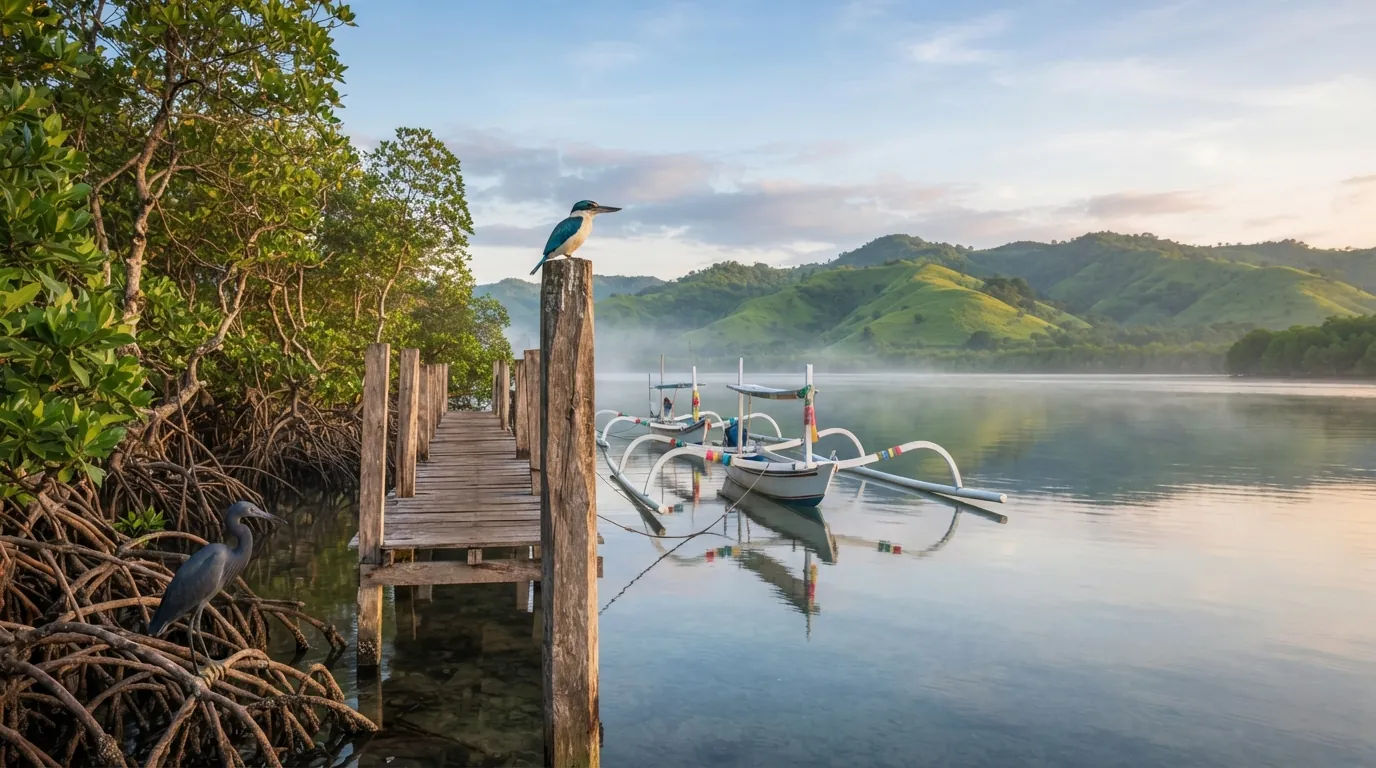
Kingfishers make the brightest sightings. Collared kingfishers perch on jetties and branches, calling loudly. Deeper in quiet channels, the large stork-billed kingfisher waits on shaded perches with its heavy red bill.
Smaller birds also move through the leaves. Olive-backed sunbirds feed on flowers, while ashy tailorbirds flick through the undergrowth.
Raptors Over the Coast
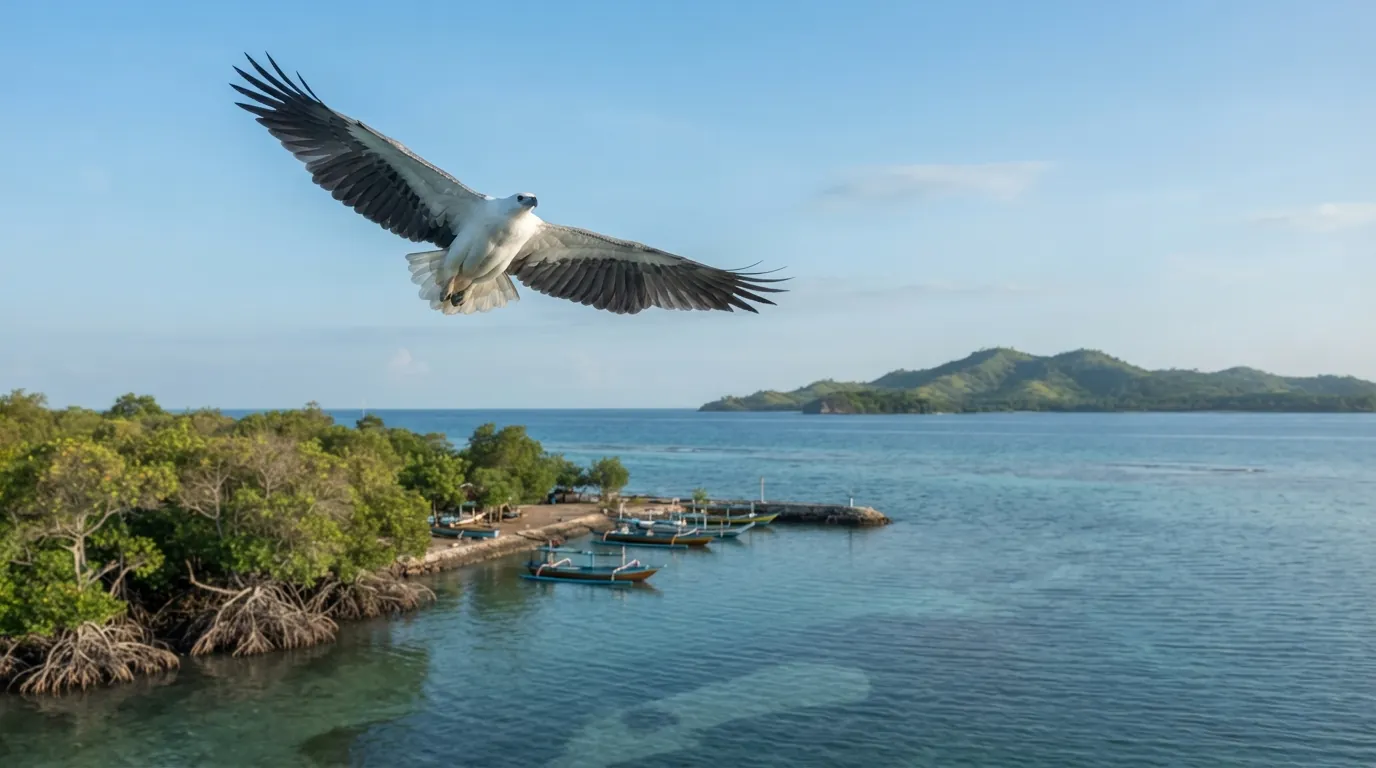
Above all, keep looking up. White-bellied sea eagles patrol the shoreline and the islands offshore. Their white underparts and broad wings stand out clearly against the sky.
Brahminy kites, with chestnut bodies and white heads, often circle over harbours and fishing boats. Both species hunt mostly in the morning, when fish rise near the surface. If raptors and forest species interest you most, a Birding tour at West Bali National Park goes deeper into the park with a guide.
How Tides Change What You See
Tides shape almost everything on the coast. At low tide, mudflats open up, and shorebirds spread out to feed. A rising tide then pushes them closer to the shore, which gives you better views.
At high tide, by contrast, waders gather on rocks and sandbars to rest. Herons and kingfishers move into the mangrove edges. For this reason, check the tide times before you go, and aim for the first hour of a rising tide.
Moving Quietly and Spotting Birds While You Wait
Waiting time at the harbour often turns into the best birding of the day. Before your boat leaves, try these simple habits:
- Arrive early: birds stay most active in the first hour after sunrise
- Move slowly: walk, pause, then scan before you move again
- Keep your voice low: sudden noise sends birds flying
- Stay low and still: sit on the jetty and let birds come to you
- Bring binoculars: a small pair fits easily in a day bag
The same tips work during breaks on the island. Between swims on a Menjangan Island snorkelling trip, scan the beach edge and the trees behind it.
Mangrove Coast Birds at a Glance
For quick reference, the table below lists the most common species and where to find them.
| Bird | Where to Look | Best Time | Spotting Tip |
|---|---|---|---|
| Pacific reef heron | Rocks and reef edge | Low tide | Look for dark grey and white forms |
| Little egret | Shallows and mudflats | Early morning | Watch for yellow feet |
| Collared kingfisher | Mangrove branches, jetties | Morning | Listen for a loud, harsh call |
| Stork-billed kingfisher | Quiet mangrove channels | Early morning | Scan shaded perches |
| Whimbrel | Mudflats | Rising tide, September to April | Spot the long, curved bill |
| Common sandpiper | Rocky shore, boat ramps | Any time | Note its bobbing tail |
| White-bellied sea eagle | Over the coast and islands | Mid-morning | Look up for white underparts |
| Brahminy kite | Over the harbour | Morning | Find the chestnut body and white head |
Final Thoughts on Mangrove Coast Birds
Ultimately, the shoreline offers far more than a place to wait. With a little patience, you can tick off herons, kingfishers and sea eagles before the boat even leaves. On your return, a quiet walk along pemuteran beach at sunset adds a few more birds to the list.
Frequently Asked Questions
What is the best time to see shorebirds in West Bali?
Early morning on a rising tide works best. Migrant waders also visit from September to April, so those months bring the most variety.
Do I need binoculars for coastal birdwatching?
They help a lot, especially for raptors and distant waders. However, many herons and kingfishers perch close enough to see with the naked eye.
Can I go birdwatching before a snorkeling or diving trip?
Yes. Arrive at the harbour 20 to 30 minutes early and scan the mangroves and jetty while the crew prepares the boat.