Scuba Diving Bali: All You Need to Know Before You Go
Scuba diving is an activity of underwater swimming using a tank of compressed air and special equipment. When you talk about diving, you have to mention Bali because it stands among the world’s most diverse and accessible tropical dive destinations. Located in the Coral Triangle, the island contains a higher marine biodiversity of corals and reef fish compared to the rest of the planet, perfect for scuba exploration. From shallow coral gardens, vertical walls, muck and drift sites, and even multiple wrecks, scuba diving Bali offers all of that without the need to leave the region.
Despite its beauty, the island also comes with its unique hazards. Its remote access, seasonal swells, and strict codes of animal encounters demand specific preparation beyond basic scuba knowledge. Without research, beginners risk unsafe operators, mismatched sites, missing peak seasons, and overall disappointing experiences. In this article, we will explore all that one needs to know before ocean diving.
The beauty of scuba diving Bali
You might wonder what is so special about this isle and why divers always bring it up in scuba forums. The answer is simple. Scuba diving Bali delivers an outstanding experience for both beginner and certified divers. For beginners the appeal comes from its friendly learning curve. First-timers can train in shallow coral gardens and then move to more advanced sites when they feel ready.
Beyond the ocean, the oceanic land gives travellers much more to enjoy. You get culture, food, beaches and easy transport between dive areas in one trip. It suits people who want relaxation and adventure at the same time. With that in mind, the next sections explain what makes underwater activities in Pemuteran special and how you can experience it to the fullest.
1. Biodiversity and the coral triangle location
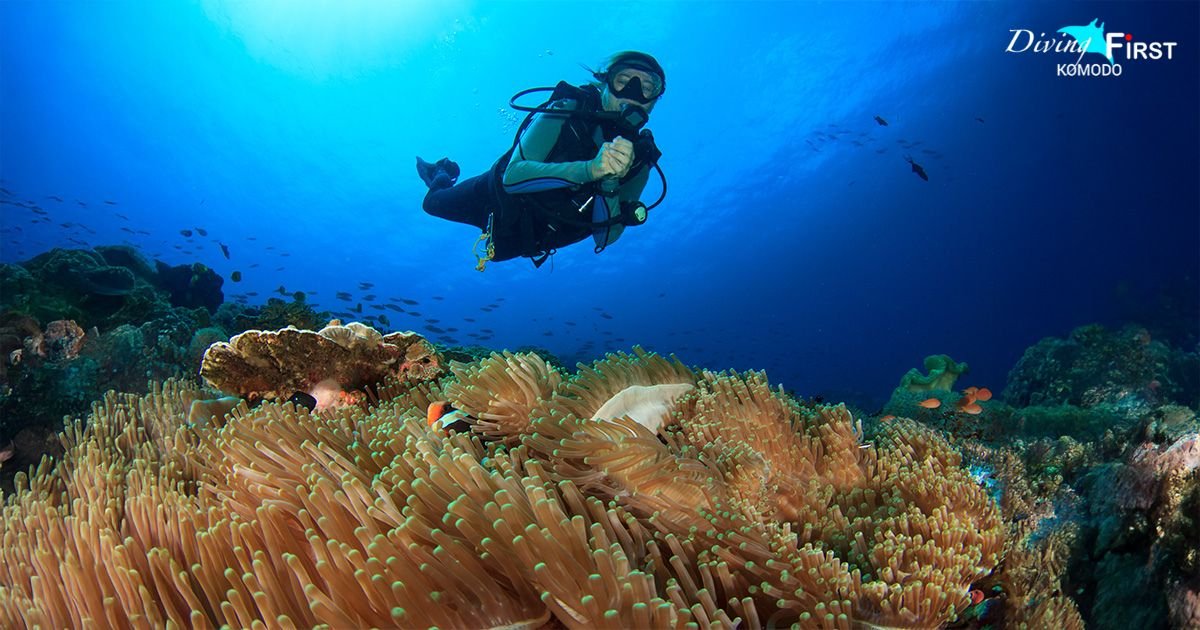
As it sits inside the Coral Triangle, the reefs in Seminyak hold huge biodiversity. When you try scuba diving Bali, you can see soft coral and hard coral as well as schooling fish and turtles. Tiny critters often hide between rocks and coral heads. Even at shallow depths beginners stay engaged because the scenery is full of life. Experienced divers also enjoy a range of habitats from gentle slopes and sandy bottoms to walls, drift channels, and areas with stronger currents, and they can explore deeper sites for more challenges..
2. Signature Marine Highlights
Another beauty of diving this island is how it gives divers access to manta rays and seasonal mola-mola. You can meet manta rays in Nusa Penida in almost any month. The large ocean sunfish also appears during the right season, and many travel to Bali just for the chance to see it. Macro lovers often explore Tulamben or Amed to find nudibranchs and seahorses at close range. The mix of big marine life and tiny critters results in underwater encounters that many divers remember for years.
3. Different dive styles in one destination
If you are open to trying many styles in one trip, the island is the best answer. Whether you want to experience calm coral gardens, easy shore entries, drift walls, or wrecks, it is all possible in this Indonesian paradise. As travel times between main regions are short, you can plan flexible scuba diving Bali itineraries without moving far. Explore a wreck in Tulamben one day, then meet mantas in Penida the next day.
4. Accessibility and value for money
Bali is top of mind for affordable scuba experiences and vacations in general. People can explore it easily with the frequent run of flights, a varied range of accommodation, and widespread dive centres operating across the island. Whether you want to take a beginner course or continue to advanced training, everyone is welcome to the island. Long transfers are also unheard of here. Offering better value than many top-tier scuba diving destinations with similar marine quality.
5. Enjoyment beyond dive activities
Even if you are not there solely for scuba diving Bali, a trip to this island would remain enjoyable. Friends or family who would rather relax can visit beaches, temples, or explore local food. You can dive in the morning and watch the religious rituals of the locals in the evening. This blend of divergent kinds of land and underwater activity makes the tropical island stand out. It suits people with distinct interests and keeps the overall holiday balanced.
Is scuba diving Bali okay for beginners?
Yes, ocean diving in Bali is good for beginners. New divers can feel safe and confident in water for its calm and shallow conditions. For example, spots such as Tulamben, Padang Bai, and Amed grant slow descents, easy shore entries, and controlled training sessions. Many first-timers complete their first dives successfully with the supervision of certified instructors.
Expert scuba diving Bali agencies recommend submerging below 18 metres for the first training days. Numerous dive centres progress step by step. They teach buoyancy control and breathing techniques before taking beginners to deeper sites. With supervision and proper equipment, most novices gain confidence quickly. Many enjoy their first open water experience soon after.
Diving licensing rules in Bali
You do not need a licence or certifications for introductory scuba diving Bali. However, it is required for independent or unsupervised activities beyond beginner programmes. Supervised programmes such as Discover Scuba Diving or Try Scuba require basic swimming skills, age eligibility, and medical fitness. Thus, a complete beginner can try two or three dives safely without formal certification.
A licence then becomes necessary when you fancy diving independently, go deeper than 12 metres, or do regular fun dives without an instructor. Courses like PADI or SSI Open Water offer certifications of three to four days of theory, pool practice, and four ocean explorations. If you are looking for more freedom to explore advanced sites across, a licence can be a lot of help in keeping you safe and responsible underwater.
Best time to scuba diving Bali
For the best experience, you should go scuba diving Bali during the dry season, which is around May to October. This season will give you calm seas, minimal rain, and 20-40 metres of visibility. The temperatures of water are also fairly comfortable within 27-30°C. Around these months, both beginner and experienced divers could safely enjoy popular sites like Menjangan, Tulamben, and Padang Bai.
If your diving goals are specifically to encounter marine creatures like manta rays and seasonal mola-mola, then the dry season from July to September is the peak time for it. These shoulder months not only offer quieter conditions and fewer crowds, but they also offer lower prices. The predictable weather of this time also allows calm waters perfect for learning and completing a diving certification.
However, if you go scuba diving Bali from November to March, then you will experience its wet season. This season brings rougher seas, more rain, and reduced visibility of 10-20 metres. As the current is stronger, you are 50% more likely to face cancellation. Some more sheltered sites may remain accessible for their macro life rather than big pelagics. For this reason, it is strongly recommended to scuba dive during the dry season in this rich island.
Best places for scuba exploration in Bali
A wide range of dive sites surrounds this tropical isle. It caters to beginners, enthusiasts and advanced divers. Within short travel routes, scuba diving Bali gives access to calm reefs, fast drift sites and iconic wrecks. This diversity ensures every sea-life seeker can find a location that suits their skill and preference.
Each scuba diving Bali site differs in depth, current and visibility, which allows both new and experienced divers to enjoy the island safely. You may hunt for tiny critters or chase big pelagic encounters, and this isle offers both. Choosing a site that matches your ability is key. The next section highlights the best spots for beginners, marine life lovers, macro photographers and wreck explorers.
Beginner-friendly sites
Sanur, Tulamben, and Padang Bai are best suited for scuba diving Bali first-timers. With their shore entries, shallow reefs, and calm waters, those locations are perfect for comfortable beginner programmes. Another one is Pemuteran and Menjangan Island, which offers protected coral gardens and mild currents. Added to their easy boat or shore access, these sites allow newcomers to focus on skills, enjoy colourful fish, and gain confidence before trying stronger currents or deeper dives.
Big marine hotspots
Looking for manta rays, reef sharks, and seasonal mola-mola? Then your top choices should be Nusa Penida and Nusa Lembongan. Strong drift currents bring large pelagics close to divers, offering unforgettable encounters. While these sites are thrilling, beginners should join guided activities or take advanced courses. Experienced divers benefit from the fast currents and open-water experience, making it a must-visit for big-animal lovers.
Macro diving locations
Amed and Tulamben are perfect for macro enthusiasts. Black-sand slopes and wrecks hide seahorses, nudibranchs, frogfish, and ghost pipefish. These scuba diving Bali areas encourage careful observation and patience, ideal for underwater photography or critter hunting. Shallow depths and calm conditions help beginners and intermediates safely explore tiny marine life without strong currents interfering with buoyancy control.
Wreck diving sites
Tulamben’s USAT Liberty wreck is Bali’s most famous shipwreck, accessible from shore and suitable for all levels. Swim-throughs, abundant fish life, and dramatic wreck structures make it engaging. Menjangan Island’s Anchor Wreck adds smaller wreck exploration amid walls, attracting turtles and reef sharks. Both sites offer safe conditions for first-timers while still providing enough challenge and visual interest for advanced divers.
Do you ever need a wetsuit in Bali?
Yes, generally you will need a wetsuit for scuba diving Bali, although it is not a legal requirement. A wetsuit safeguards your skin from strong UV exposure, jellyfish stings, and unexpected scrapes with corals or rocks. Dive centres typically include a 3-mm wetsuit or shorty in the gear package. Hence, beginners and certified folks can stay comfortable and reduce the risk of irritation or a cold during longer sessions.
The waters usually fall between 26 and 30°C but can be down to 22 to 26°C in cooler upwellings in sites like Nusa Penida around July to October. While a 3mm suit is well-suited for most dives, a 5mm option or hooded vest is advisable for cold-sensitive individuals, especially during mola-mola season.
Marine animals you can see.
The coastal island offers a wide range of underwater life for every skill level. Scuba diving Bali lets you encounter reef fish, turtles, pelagics and rare macro critters. Nusa Penida, Tulamben and Amed highlight the Coral Triangle’s biodiversity with easy access to shallow reefs, drift dives and deep drop-offs.
It suits both new and experienced divers. You can enjoy coral gardens, wrecks or black-sand macro sites. Mola mola appear seasonally, while manta rays stay year-round. With the right plan for conditions and marine life, scuba diving Bali becomes safe, rewarding and unforgettable. Top dive highlights include:
- Encounter manta rays and oceanic sunfish at Nusa Penida and Nusa Lembongan.
- Spot reef sharks, including white-tip, black tip, and grey reef species.
- Swim alongside turtles such as green and hawksbill at Amed and Menjangan Island.
- Explore macro critters like pygmy seahorses. Frogfish, ghost pipefish, and nudibranchs.
- Observe moray and ribbon eels hiding in coral crevices.
Make your scuba diving memorable with the Menjangan Island Trip
Scuba diving Bali offers calm water, rich marine life and pristine reefs. It suits both snorkelers and divers. You may spot turtles, explore black sand slopes or glide over bright coral gardens. Every dive feels memorable and unique.
Now that you know what it offers, plan your trip with Menjangan Island Trip. We arrange diving, snorkelling and West Bali National Park tours. Our Pemuteran team has deep local knowledge. We offer fair pricing and focus on guest satisfaction. Book your marine adventure today.