Sea Temperature for Swimming: How Much is Too Cold or Too Hot
When we talk about planning a holiday to an island, swimming and diving are most likely on the list. Swimming is especially never missed, as it is free and simple to do. Although it seems easy with no need for proper preparation, it is not like diving. When you choose to swim in an ocean, there are still precautions to be safe. One of them is to know the sea temperature.
Sea temperature is crucial to know before you swim. If it is too cold, you can get sick. The cold temperature of the sea could also be a sign from nature. If you go without being aware of this, you risk putting yourself in danger. Fortunately, this article will tell you about the right temperature to swim, which months to avoid the cold sea, and which destinations offer warm beaches to swim.
What is the sea temperature for swimming?
The ideal sea temperature for swimming generally ranges between 22°C and 29°C (72°F and 84°F). This kind of temperature allows you to swim for a longer time without feeling uncomfortable or needing any wetsuits. Temperatures above 26°C up to 29°C offer balmy conditions perfect for longer sessions in tropical seas.
Moreover, snorkelling or casual dips are also cosy in the heat. If you want to swim in colder temperatures, around 18-21°C can still be feasible. However, note that it feels cooler. You might need to wear a wetsuit for a longer swimming session in the sea. Below 18°C, conditions turn chilly, best limited to short swims.
The effect of swimming in the wrong temperature
Swimming in too cold or too warm sea temperature can stress the body. Cold or hot water affects the heart, nerves, muscles, and the body’s ability to control temperature. Furthermore, long or intense exposure increases the risk of serious problems. These include fainting, hypothermia, or heat stroke, and many things related to these conditions.
Even short swims in extreme temperatures can reduce strength and coordination. They can also make it hard to stay alert, which raises the risk of accidents. For more detail, see below!
Too Cold
Cold water below 15°C triggers a sudden shock response. First, breathing becomes fast and uncontrolled. Next, heart rate rises sharply. Blood moves from the arms and legs to the core. Limbs weaken, and swimming becomes much harder. If exposure continues, hypothermia can develop. This causes shivering, confusion, and loss of consciousness. Very cold water also affects nerves and muscles. Thinking clearly can become difficult. Drowning risk rises quickly.
Too Hot
Hot sea temperature around 30–34°C also stresses the body. It cannot cool itself properly. Because of that, prolonged swimming can cause heat exhaustion or heat stroke. Common symptoms include dizziness, nausea, and fainting. Additionally, sweating and fluid loss can lead to dehydration and low blood pressure. Performance drops as the heart works harder. For safety, swimmers should limit time in water below 18°C or above 30–31°C. They should stay hydrated and watch for early signs of stress.
Recommended place with the warmest sea temperature
The warmest sea temperature in the world is found in the Indian Ocean, especially around the Arabian Sea and the Persian Gulf. During summer months like August, the waters can reach 32–36°C. These hot seas are perfect for heat-loving swimmers, but can be risky if you stay too long under the sun. Knowing the peak locations helps you plan safe and enjoyable water activities.
Some of the top spots include:
- Dubai, UAE: Coastal waters reach up to 33°C in August. The beach is shallow and sun-heated. Very ideal if you want a quick swim.
- Bay of Kuwait & Qatar’s Inland Sea: Often above 35°C, so it is among the hottest open waters globally.
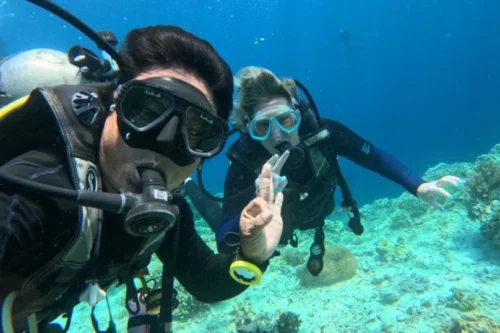
- Bali, Indonesia: The sea temperature stays around 29–30°C. The sea temperature is perfect for scuba diving, snorkelling, and beach activities.
- Sri Lanka: Warm up to 30°C in April. Makes it suitable for diving and snorkelling.
- Cuba: It get around 30°C in August, offering comfortable waters for swimming.
- Maldives: Consistent 29–31°C year-round. Totally perfect for marine life exploration without extreme heat.
Safety tips for swimming at the sea
Sea swimming safety starts with checking the sea temperature. Cold seas below 18°C can trigger shock and hypothermia, while warm waters over 30°C increase dehydration risk. Always enter gradually, limit your time, and exit if you feel dizzy. Next, swim in lifeguarded areas during daylight and stay parallel to the shore to avoid rip currents. Check tides, weather, and hazards before entering.
Visibility and gear also matter. Wear a bright swim cap, use a tow float, and protect your phone in a waterproof pouch. Apply sunscreen for reflection from the water. In places like Bali, 27–30°C seas are ideal for no-wetsuit dives, but always bring a buddy and a surface marker for safety. These steps make swimming safer and more enjoyable.
Swim in peace in Menjangan, Bali
Knowing the sea temperature is key to safe swimming on island holidays. Ideal waters range from 22°C to 29°C. Colder or hotter seas can stress the body and increase risks like hypothermia or heat exhaustion. Therefore, check conditions before you swim. By choosing warm destinations such as Bali, the Maldives, or Sri Lanka, you can enjoy longer swims and marine activities with confidence.
Swimming is more fun with marine beauty in Menjangan, Pemuteran, in Bali. Get yourself a memorable holiday with the help of a local guide from Menjangan Island Trip. We organise your activity to make you focus on the experience, not on the hassle. From marine to land adventure, we guarantee your satisfaction. Visit our homepage for more information!