
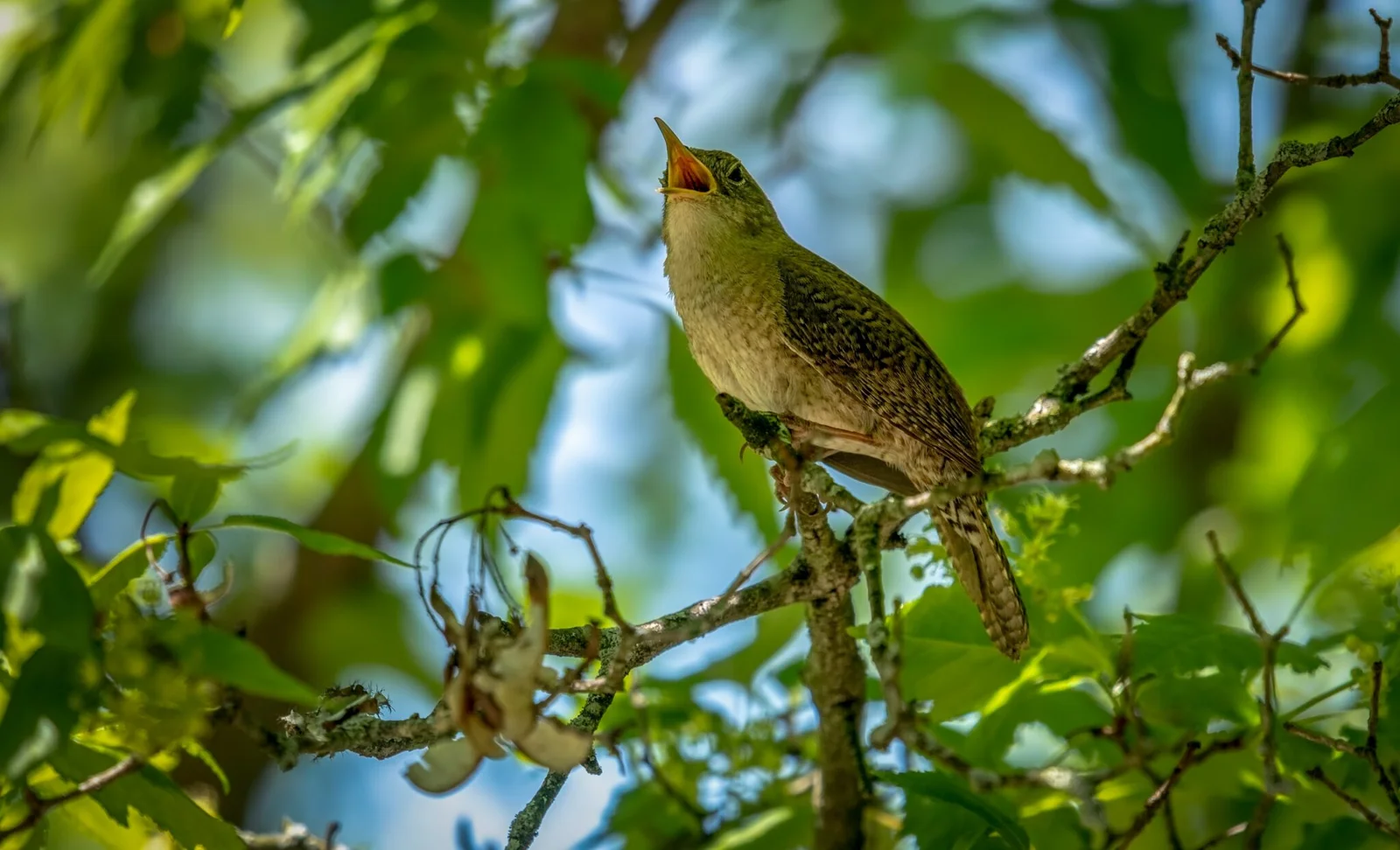
Exotic birds in Northwest Bali attract birdwatchers, wildlife photographers, and nature enthusiasts from around the world. Northwest Bali offers a tranquil contrast to the island’s busy southern resorts. Home to monsoon forests, mangrove estuaries, and open savannahs, this region serves as a crucial sanctuary for rare avian species.
For wildlife photographers, capturing these birds requires careful technical preparation, including understanding light beneath tropical forest canopies, predicting flight paths across different habitats, and applying ethical field techniques that minimize disturbance to wildlife.
Iconic Avian Targets in the Northwest Ecosystem
The region’s distinct habitats support several notable species:
-
Bali Myna (Leucopsar rothschildi): The island’s emblem and a major conservation focus. Recognizable by its stark white plumage and vivid blue eye patch, it is best spotted in dry open woodland.
-
Rufous-backed Kingfisher (Ceyx rufidorsa): A small, fast-moving bird found along shaded streams and mangrove edges.
-
Black-winged Starling (Acridotheres melanopterus): Often seen in small groups across open canopy forests.
-
Javan Banded Pitta (Pitta elegans): A ground-dwelling bird with brilliant coloration that frequents dense understory foliage.
Technical Setup for Tropical Forest Conditions
Lighting conditions in Northwest Bali transition rapidly from bright coastal sun to deep forest shade. Balancing shutter speed and ISO range helps preserve detail without introducing high-noise artifacts.
| Target Subject | Recommended Focal Length | Suggested Shutter Speed | Field Strategy |
| Canopy Birds | 400mm – 600mm | 1/1000s or faster | Auto-ISO with a set ceiling to handle quick movements against bright skies |
| Understory Species | 300mm – 400mm (f/2.8–f/4) | 1/250s – 1/500s | Spot metering centered on the bird to isolate subjects from dark foliage |
| Mangrove Waders | 100mm – 400mm zoom | 1/1600s | Electronic/silent shutter mode to prevent startling skittish shorebirds |
Practical Strategies for Field Sessions
1. Timing and Peak Activity
Exotic birds in Northwest Bali are most active during the early morning, making this the ideal time for birdwatching and wildlife photography. Bird activity typically peaks between 6:00 AM and 9:00 AM, when cooler temperatures encourage feeding and movement through the forest canopy.
During these hours, the soft morning light also minimizes harsh highlights, creating better conditions for spotting and photographing exotic birds in Northwest Bali. A second period of increased activity occurs around 4:00 PM, as many species return to their preferred roosting areas before sunset.
Visiting during these peak hours significantly improves your chances of observing the diverse exotic birds in Northwest Bali, including several endemic and migratory species in their natural habitat.
2. Navigating Protected Zones
Finding elusive species inside dense habitats often requires local knowledge and years of field experience. A dedicated Birding Tour at West Bali National Park gives photographers a better opportunity to locate specific roosting sites while remaining within designated and permitted areas.
Local birding guides understand seasonal movements, feeding habits, and call patterns, allowing them to identify promising observation spots more efficiently. Their expertise can significantly increase the chances of spotting and photographing rare bird species while minimizing disturbance to the surrounding habitat.
3. Combining Forest and Coastal Routes
Many wildlife photographers split their field time between land and underwater habitats to capture the incredible biodiversity of West Bali. After photographing exotic birds in Northwest Bali, the coastline around Menjangan National Park offers excellent opportunities to capture marine raptors, including the iconic White-bellied Sea Eagle.
To make the transition between terrestrial hides and coastal waters seamless, joining an organized West Bali National Park tour is a practical option. It simplifies transportation and logistics, allowing photographers to maximize their time in both environments.
4. Ethical Photography Guidelines
-
Maintain a comfortable working distance using telephoto lenses instead of approaching nests.
-
Limit the use of audio playbacks to avoid stressing territorial birds during breeding periods.
-
Remain on established trails to preserve fragile undergrowth and nesting cover.
FAQ
Q: What is the best season to photograph birds in Northwest Bali?
A: The dry season (April to October) offers optimal conditions. Dry trails improve accessibility, foliage density is slightly lower, and birds gather more predictably around remaining water sources.
Q: Can beginners capture quality wildlife photos here?
A: Yes. While canopy photography requires patience and practice, open areas such as savanna zones and elevated boardwalks offer clear sightlines suitable for varying skill levels.
Q: Are special permits required for photography in park areas?
A: Standard entry permits cover basic personal photography equipment. Commercial shoots or extensive setups involving static hides usually require prior clearance from national park authorities.