
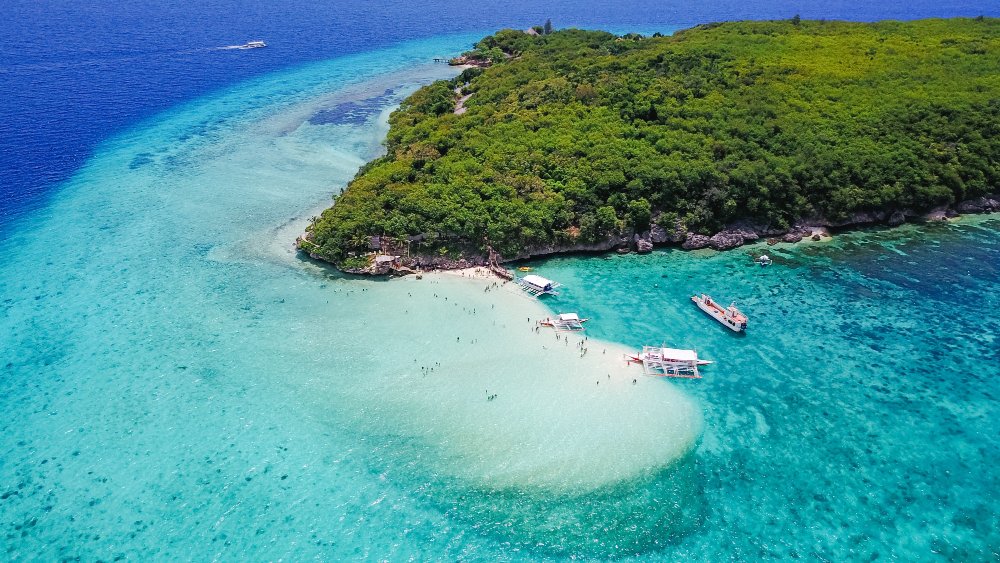
Bali has far more snorkeling than most visitors expect, but “good snorkeling” means something different depending on which coast you are standing on. Water clarity, marine life, currents, crowd levels and the way you actually get into the water change dramatically between the north west, the east and the offshore islands. Instead of ranking spots from one to ten, this guide puts Bali’s four main snorkeling regions side by side so you can pick the one that matches your trip, your swimming ability and your patience for boat traffic.
What Really Separates One Snorkeling Spot From Another
Before comparing locations, it helps to know what to compare. Five things decide whether a snorkeling day feels magical or forgettable:
- Visibility. How far you can see underwater, usually measured in metres. Rain, runoff and plankton blooms all reduce it.
- Marine life. Reef fish are everywhere in Bali. Turtles, mantas, wrecks and healthy hard coral are not.
- Current and swell. This is the single biggest safety factor and the reason some famous spots are unsuitable for casual swimmers.
- Access. Shore entry, short boat ride or a long transfer plus a crossing.
- Crowds. The same reef can feel private at 8 a.m. and chaotic at 11 a.m.
Menjangan Island, North West Bali
Menjangan sits inside West Bali National Park, and that protected status shows. The reef sits in a sheltered channel shielded from the open swell, so the water is often glassy and visibility regularly reaches 20 to 30 metres in dry season. Coral starts in roughly two metres of water and then drops away into steep walls covered in soft coral, sponges and gorgonian fans, which means you can float comfortably at the surface while a 30 metre drop-off falls away underneath you.
Marine life leans toward reef species rather than headline megafauna: schooling anthias, angelfish, moray eels, cuttlefish and green turtles are common. Currents are usually mild, boats are limited by the national park, and on a weekday morning you can genuinely have a section of reef to yourself. The trade-off is distance, since it is a three to four hour drive from Kuta or Ubud plus a 30 minute boat crossing from Labuan Lalang.
Amed and Tulamben, East Bali
The east coast is famous for one thing: the USAT Liberty shipwreck at Tulamben. The wreck begins at around five metres and lies just a short swim from the black sand beach, so snorkelers, not only divers, can see it. Amed adds a smaller Japanese wreck, coral gardens and a Coral Garden restoration site.
Access here is the strong point. You walk in from the beach, no boat required. Visibility is decent at 10 to 20 metres, though it drops after heavy rain. The main downside is the crowd rhythm. Dive buses arrive from around 8 a.m. and Tulamben can hold dozens of people at once. Arriving before 7 a.m. changes the experience completely, and it is also the best window for the bumphead parrotfish that gather over the wreck at dawn.
Nusa Penida
Penida delivers the biggest animals and the biggest risks. Manta Point hosts reef mantas year round, while Crystal Bay and Gamat Bay offer clear water and dramatic topography. It is spectacular when conditions cooperate.
It is also the least beginner friendly option in this comparison. Currents can run hard, swell rolls in from the open ocean, water is noticeably cooler, and manta sites involve jumping into deep blue water with no reef underfoot. Boat traffic is heavy, with speedboats leaving Sanur all morning and multiple operators crowding the same three sites. Choose Penida if you are a confident swimmer chasing mantas, not if you want a relaxed float.
Blue Lagoon, Padangbai
Blue Lagoon is the easy, low-commitment choice. It is a small sheltered bay a few minutes from Padangbai harbour, reachable by a short walk or a five minute jukung ride. Depth ranges from three to twelve metres, currents are usually gentle, and the sandy patches between coral heads are good for spotting blue-spotted stingrays, nudibranchs and juvenile reef fish.
Visibility is the weak spot, typically 8 to 15 metres and quite variable because of nearby ferry traffic and runoff. It gets busy from mid-morning. As a half day stop it works well, especially if you are already heading east.
Bali Snorkeling Comparison Table
| Location | Typical visibility | Marine life highlight | Current | Access | Crowd level | Best for |
|---|---|---|---|---|---|---|
| Menjangan Island | 20 to 30 m | Wall coral, gorgonian fans, turtles | Mild | 30 min boat from Labuan Lalang | Low to moderate | Clear water, beginners, photography |
| Amed / Tulamben | 10 to 20 m | USAT Liberty wreck, bumphead parrotfish | Mild to moderate | Shore entry, no boat | High after 8 a.m. | Wreck snorkeling without a boat |
| Nusa Penida | 15 to 25 m | Manta rays, dramatic drop-offs | Moderate to strong | Fast boat from Sanur plus land transfer | Very high | Confident swimmers chasing mantas |
| Blue Lagoon | 8 to 15 m | Reef fish, blue-spotted rays | Gentle | Walk or 5 min boat | Moderate to high | Quick half day trips, families |
Which Region Should You Actually Choose
If your priority is water clarity and calm conditions, the north west wins on the numbers. Sheltered geography, national park protection and limited boat numbers give menjangan island the most consistent visibility of the four regions, and the shallow reef shelf makes it forgiving for first-time snorkelers and for anyone travelling with children.
Travellers who want a shipwreck without booking a boat should head east to Tulamben. Mantas are a different calculation entirely, and Penida is the only real answer there, provided you are comfortable in open water. For a quick two hours between other plans, Blue Lagoon is enough.
Basing Yourself in the North West
One practical advantage of the Menjangan region is that you are not doing a long day trip from the south. Staying overnight nearby means an early departure and the calmest water of the day. The surrounding coastline is worth time on its own, and a slow morning around pemuteran beach with its coral restoration project and quiet village roads pairs well with an afternoon on the reef.
Final Thoughts
There is no single winner here, only a best fit. Nusa Penida has the drama, Tulamben has the wreck, Padangbai has the convenience, and the north west has the clearest, calmest, least crowded water on the island. If your definition of the best snorkeling in bali involves seeing coral walls in 25 metre visibility without queueing behind six other boats, plan your day around the north west coast and go early.
Frequently Asked Questions
A: April to October, the dry season, gives the calmest seas and the best visibility across all four regions. November to March brings rain, runoff and reduced clarity, though sheltered sites like Menjangan hold up better than exposed ones.
A: Not for Menjangan or Blue Lagoon, where currents are gentle and life jackets are standard. Nusa Penida is different, and manta sites in particular require confidence in deep water with chop and current.
A: Yes, at Manta Point off Nusa Penida, since mantas often feed near the surface. Sightings are not guaranteed and trips are cancelled in rough conditions.